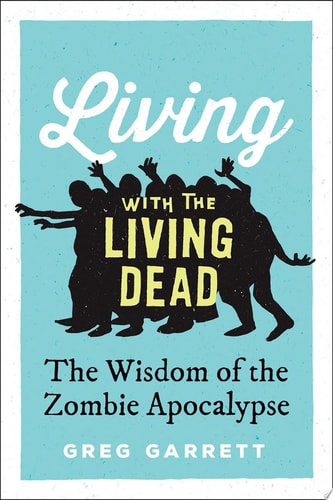
Living With The Living Dead
0
0
As an Amazon Associate and affiliate partner, Menrva Books earns from qualifying purchases. Learn more
Author Description
When Humankind Faces What It Perceives As A Threat To Its Very Existence, A Macabre Thing Happens In Art, Literature, And Culture: Corpses Begin To Stand Up And Walk Around. The Dead Walked In The Fourteenth Century, When The Black Death And Other Catastrophes Roiled Europe. They Walked In Images From World War I, When A Generation Died Horribly In The Trenches. They Walked In Art Inspired By The Holocaust And By The Atomic Attacks On Japan. Now, In The Early Twenty-first Century, The Dead Walk In Stories Of The Zombie Apocalypse, Some Of The Most Ubiquitous Narratives Of Post-9/11 Western Culture. Zombies Appear In Popular Movies And Television Shows, Comics And Graphic Novels, Fiction, Games, Art, And In Material Culture Including Pinball Machines, Zombie Runs, And Lottery Tickets. The Zombie Apocalypse, Greg Garrett Shows Us, Has Become An Archetypal Narrative For The Contemporary World, In Part Because Zombies Can Stand In For Any Of A Variety Of Global Threats, From Terrorism To Ebola, From Economic Uncertainty To Ecological Destruction. But This Zombie Narrative Also Brings Us Emotional And Spiritual Comfort. These Apocalyptic Stories, In Which The World Has Been Turned Upside Down And Protagonists Face The Prospect Of An Imminent And Grisly Death, Can Also Offer Us Wisdom About Living In A Community, Present Us With Real-world Ethical Solutions, And Invite Us Into Conversation About The Value And Costs Of Survival. We May Indeed Be Living With The Living Dead These Days, But Through The Stories We Consume And The Games We Play, We Are Paradoxically Learning What It Means To Be Fully Alive.
Menrva's Summary
THE THESIS
This book investigates why the zombie apocalypse has emerged as a dominant, archetypal narrative in contemporary Western culture following the events of 9/11. Greg Garrett, a professor and cultural critic, examines the historical and psychological patterns that cause societies to project their anxieties onto the figure of the walking dead. He argues that these narratives serve as both a reflection of global threats—such as terrorism, economic instability, and ecological collapse—and a source of spiritual and communal reflection on what it means to remain human in the face of catastrophe.
THE SCOPE MAP
What You Will Find
- Historical analysis of the zombie archetype from the Black Death to the post-9/11 era
- Examination of zombie tropes across film, television, literature, and interactive media
- Exploration of the ethical and communal lessons embedded in survival narratives
Scope Limits
- The text does not provide a comprehensive history of horror cinema outside of the zombie subgenre
- It does not offer a technical guide to zombie-themed media production
THE AUTHORITY PERSPECTIVE
Critics and scholars identify this work as a significant contribution to the study of apocalyptic narratives in modern media. Readers frequently note the accessible prose style, which balances academic rigor with an engaging analysis of popular culture trends.
Page Count:
224
Publication Date:
2017-01-01
Publisher:
Oxford University Press
ISBN-10:
0190260467
ISBN-13:
9780190260460
Media Studies
Pop Culture
Film Criticism
Zombie Fiction
Sociology
Community Tags
Similar Books