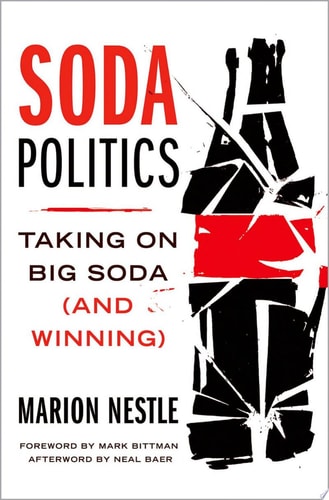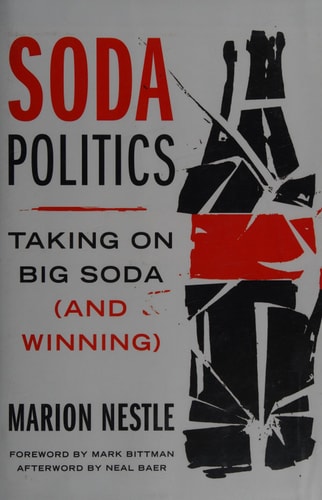
Soda Politics: Taking on Big Soda (And Winning)
0
0
As an Amazon Associate and affiliate partner, Menrva Books earns from qualifying purchases. Learn more
Author Description
Sodas are astonishing products. Little more than flavored sugar-water, these drinks cost practically nothing to produce or buy, yet have turned their makers--principally Coca-Cola and PepsiCo--into a multibillion-dollar industry with global recognition, distribution, and political power. Billed as "refreshing," "tasty," "crisp," and "the real thing," sodas also happen to be so well established to contribute to poor dental hygiene, higher calorie intake, obesity, and type-2 diabetes that the first line of defense against any of these conditions is to simply stop drinking them. Habitually drinking large volumes of soda not only harms individual health, but also burdens societies with runaway healthcare costs.So how did products containing absurdly inexpensive ingredients become multibillion dollar industries and international brand icons, while also having a devastating impact on public health?In Soda Politics, the 2016 James Beard Award for Writing & Literature Winner, Dr. Marion Nestle answers this question by detailing all of the ways that the soft drink industry works overtime to make drinking soda as common and accepted as drinking water, for adults and children. Dr. Nestle, a renowned food and nutrition policy expert and public health advocate, shows how sodas are principally miracles of advertising; Coca-Cola and PepsiCo spend billions of dollars each year to promote their sale to children, minorities, and low-income populations, in developing as well as industrialized nations. And once they have stimulated that demand, they leave no stone unturned to protect profits. That includes lobbying to prevent any measures that would discourage soda sales, strategically donating money to health organizations and researchers who can make the science about sodas appear confusing, and engaging in Corporate Social Responsibility (CSR) activities to create goodwill and silence critics. Soda Politics follows the money trail wherever it leads, revealing how hard Big Soda works
Menrva's Summary
THE THESIS
How did products containing inexpensive ingredients become multibillion-dollar industries while simultaneously exerting a detrimental impact on global public health? Dr. Marion Nestle, a professor of nutrition, food studies, and public health, utilizes her extensive academic background to analyze the intersection of corporate marketing, lobbying, and nutritional science. She argues that the soft drink industry systematically manipulates public perception and policy to maintain high consumption levels despite the documented health risks associated with sugary beverages.
THE SCOPE MAP
What You Will Find
- Analysis of corporate lobbying tactics and political influence strategies.
- Examination of marketing techniques targeting children and vulnerable demographics.
- Review of corporate social responsibility initiatives used to deflect criticism.
- Investigation into the funding of scientific research by beverage corporations.
Scope Limits
- The text focuses primarily on the United States market, with secondary observations on international distribution.
- It does not provide a comprehensive clinical guide for individual weight loss or dietary management.
THE AUTHORITY PERSPECTIVE
Experts and public health advocates frequently cite this work as a definitive analysis of the political economy of the beverage industry. Readers often note the meticulous documentation and the clarity with which the author connects complex policy issues to everyday consumer choices.
Page Count:
528
Publication Date:
2015-10-05
Publisher:
Oxford University Press
ISBN-10:
0190263431
ISBN-13:
9780190263430
Non-Fiction
Soft Drink Industry
Public Health
Consumer protection
Beverage Industry
Nutrition
Soft Drinks
Sociology
Carbonated Beverages
Corporate Accountability
Community Tags
Similar Books