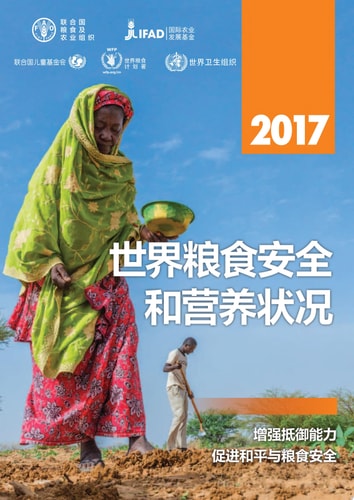
2030 Agenda for Sustainable Development
0
0
As an Amazon Associate and affiliate partner, Menrva Books earns from qualifying purchases. Learn more
Author Description
2030 Agenda for Sustainable Development. The 2030 Agenda for Sustainable Development, adopted by all United Nations Member States in 2015, provides a shared blueprint for peace and prosperity for people and the planet, now and into the future. At its heart are the 17 Sustainable Development Goals (SDGs), which are an urgent call for action by all countries - developed and developing - in a global partnership. They are also a People’s Agenda, for there can be no sustainable development without peace and no peace without sustainable development. The 2030 Agenda recognizes that ending poverty and other deprivations must go hand-in-hand with strategies that improve health and education, reduce inequality, and spur economic growth – all while tackling climate change and working to preserve our oceans and forests. The 2030 Agenda is an investment in our future and the future of generations to come. It is a call to action to end poverty, protect the planet and ensure that all people everywhere enjoy peace and prosperity by 2030. The 2030 Agenda is a landmark achievement, representing a consensus among nations on the most pressing challenges facing humanity and on the most effective ways to address them. It is a universal agenda, applicable to all countries, rich and poor, large and small. It is an integrated agenda, recognizing that the SDGs are interconnected and that progress in one area will have implications for progress in others. It is an ambitious agenda, setting out a bold vision for a better world. It is a realistic agenda, grounded in the best available science and data. It is a transformative agenda, calling for fundamental changes in the way we live and work. It is a people’s agenda, putting people at the centre of development. It is a partnership agenda, recognizing that no single actor can achieve the SDGs alone. It is a forward-looking agenda, setting out a vision for a better future for all. It is a call to action, urging all stakeholders to play their part in achieving the SDGs. It is a call to hope, offering a vision of a better world and the possibility of achieving it. It is a call to responsibility, recognizing that we all have a role to play in achieving the SDGs. It is a call to solidarity, recognizing that we are all in this together. It is a call to action, urging all stakeholders to play their part in achieving the SDGs. It is a call to hope, offering a vision of a better world and the possibility of achieving it. It is a call to responsibility, recognizing that we all have a role to play in achieving the SDGs. It is a call to solidarity, recognizing that we are all in this together.
Menrva's Summary
THE THESIS
The book investigates the challenges and opportunities for achieving food security and sustainable agriculture by 2030. It examines the complex interplay of global economic, social, and environmental factors that influence food systems. The analysis draws upon data and insights from the Food and Agriculture Organization of the United Nations to present a comprehensive overview of the current landscape and future projections. The core argument centers on the need for integrated policy approaches to address the multifaceted nature of food security.
THE SCOPE MAP
- Analysis of global food security trends and projections towards 2030.
- Examination of the role of agriculture in sustainable development.
- Discussion of economic, social, and environmental factors impacting food systems.
- Insights into policy recommendations for enhancing food security.
- Data and case studies from the Food and Agriculture Organization of the United Nations.
THE AUTHORITY PERSPECTIVE
This report from the Food and Agriculture Organization of the United Nations provides a detailed analysis of global food security challenges and pathways to achieve it by 2030. It is likely to be regarded as a key reference document for policymakers, researchers, and international development organizations. The publication offers a data-driven perspective on the complex issues surrounding sustainable agriculture and food systems. Its comprehensive scope and authoritative source suggest it serves as an important resource for understanding and addressing global food challenges.
Page Count:
132
Publication Date:
2018-04-05
Publisher:
Food & Agriculture Org.
ISBN-10:
9255098888
ISBN-13:
9789255098888
Economics
Non-Fiction
Agriculture
Policy
Development
Community Tags
Similar Books



Reader Comments
Share Your Thoughts
No comments yet. Be the first to share your thoughts!