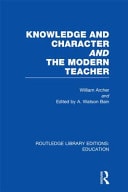
Knowledge and Character: Bound with The Modern Teacher
0
0
As an Amazon Associate and affiliate partner, Menrva Books earns from qualifying purchases. Learn more
Author Description
Written Before, But Published After The First World War, This Volume's Plea For A National System Of Education Which Will Produce A Nation Of Prosperous, Morally Fulfilled People Able To Live At Peace With Other Nations Is Doubly Poignant Given The Sacrifice Of The 'lost Generation'. However, The Author Also Sees The Horror Of The War As An Opportunity To Change Human Destiny Through Education, An Opportunity To Abandon The Narrow System Of Education In Favour Of One Which Will 'bring Education In Touch With Life' And Provide Britain With The Intellectual And Moral Efficiency Necessary To Steer Her Through The Following Turbulent Years Of The Twentieth Century. Covering The Core Subjects Of The English School Curriculum In The Early Twentieth Century The Chapters In the Modern Teacher, if Somewhat Utopian, Describe Best Practice In Teaching Of The Particular Subject And Suggest Possible Improvements. One Chapter Also Discusses The Importance Of The Relatively New Subject Of Citizenship, As Well As The Moral Education Of Pupils.
Menrva's Summary
THE THESIS
This volume investigates the potential for a reformed national education system to cultivate a morally and intellectually efficient citizenry capable of securing long-term peace in post-World War I Britain. The authors, writing in the immediate aftermath of the Great War, argue that the existing narrow educational framework failed to prepare the youth for the complexities of the twentieth century. By proposing a curriculum that connects academic instruction directly to life experiences, the text advocates for a shift toward a more holistic approach that balances rigorous subject mastery with the development of civic and moral character.
THE SCOPE MAP
What You Will Find
- A comprehensive survey of early twentieth-century British school curriculum subjects including English, Classics, Mathematics, and Science.
- Methodological frameworks for teaching modern languages, geography, and history within a nationalistic context.
- Theoretical discussions on the integration of citizenship and moral education into the standard classroom experience.
- Critical analysis of pedagogical best practices and proposed improvements for the post-war educational landscape.
THE AUTHORITY PERSPECTIVE
Experts view this work as a significant historical document that captures the pedagogical anxieties and aspirations of the British intellectual class following the First World War. Readers frequently note the academic density of the prose and its value as a primary source for understanding the evolution of educational theory in the early twentieth century.
Page Count:
318
Publication Date:
2012-01-01
Publisher:
Taylor & Francis Group
ISBN-10:
0203140206
ISBN-13:
9780203140208
History
Social Science
Education
Pedagogy
Community Tags
Similar Books