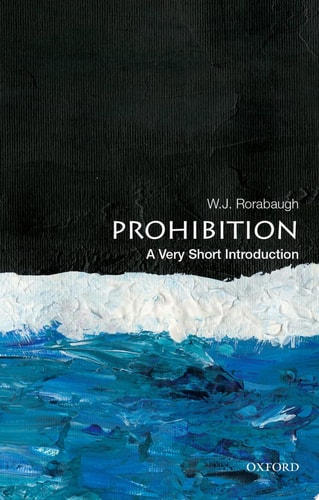
Prohibition: A Very Short Introduction
0
0
As an Amazon Associate and affiliate partner, Menrva Books earns from qualifying purchases. Learn more
Author Description
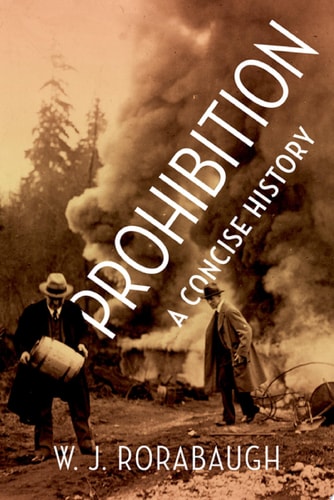
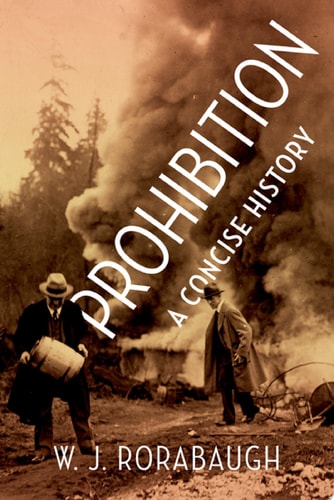
Americans Have Always Been A Hard-drinking People, But From 1920 To 1933 The Country Went Dry. After Decades Of Pressure From Rural Protestants Such As The Hatchet-wielding Carry A. Nation And Organizations Such As The Women's Christian Temperance Union And Anti-saloon League, The States Ratified The Eighteenth Amendment To The Constitution. Bolstered By The Volstead Act, This Amendment Made Prohibition Law: Alcohol Could No Longer Be Produced, Imported, Transported, Or Sold. This Bizarre Episode Is Often Humorously Recalled, Frequently Satirized, And Usually Condemned. The More Interesting Questions, However, Are How And Why Prohibition Came About, How Prohibition Worked (and Failed To Work), And How Prohibition Gave Way To Strict Governmental Regulation Of Alcohol. This Book Answers These Questions, Presenting A Brief And Elegant Overview Of The Prohibition Era And Its Legacy. During The 1920s Alcohol Prices Rose, Quality Declined, And Consumption Dropped. The Black Market Thrived, Filling The Pockets Of Mobsters And Bootleggers. Since Beer Was Too Bulky To Hide And Largely Disappeared, Drinkers Sipped Cocktails Made With Moonshine Or Poor-grade Imported Liquor. The All-male Saloon Gave Way To The Speakeasy, Where Together Men And Women Drank, Smoked, And Danced To Jazz. After The Onset Of The Great Depression, Support For Prohibition Collapsed Because Of The Rise In Gangster Violence And The Need For Revenue At Local, State, And Federal Levels. As Public Opinion Turned, Franklin Delano Roosevelt Promised To Repeal Prohibition In 1932. The Legalization Of Beer Came In April 1933, Followed By The Twenty-first Amendment's Repeal Of The Eighteenth That December. State Alcohol Control Boards Soon Adopted Strong Regulations, And Their Legacies Continue To Influence American Drinking Habits. Soon After, Bill Wilson And Dr. Bob Smith Founded Alcoholics Anonymous (aa). The Alcohol Problem Had Shifted From Being A Moral Issue During The Century To A Social, Cultural, And P
Menrva's Summary
THE THESIS
This book investigates the origins, implementation, and eventual collapse of the Prohibition era in the United States between 1920 and 1933. W. J. Rorabaugh, a historian specializing in American social history, utilizes archival records and historical analysis to examine how moral reform movements successfully lobbied for the Eighteenth Amendment. The text argues that the failure of Prohibition was driven by the rise of organized crime, the economic pressures of the Great Depression, and the subsequent shift toward state-level regulation of alcohol.
THE SCOPE MAP
What You Will Find
- Historical analysis of the temperance movement and organizations like the Anti-Saloon League
- Examination of the Volstead Act and its impact on alcohol production and consumption
- Overview of the transition from the traditional saloon to the speakeasy culture
- Discussion of the economic and social factors leading to the Twenty-first Amendment
Scope Limits
- Does not provide an exhaustive biography of every temperance leader
- Does not offer a comprehensive global history of alcohol prohibition outside the United States
THE AUTHORITY PERSPECTIVE
Experts frequently cite this work as a concise and accessible entry point for understanding the complexities of the Prohibition era. Readers note that the prose is efficient and provides a clear synthesis of the social and political forces that shaped American alcohol policy.
Page Count:
152
Publication Date:
2019-01-01
Publisher:
Oxford University Press,
ISBN-10:
0190280115
ISBN-13:
9780190280116
History
Social History
United States
Political History
Community Tags
Similar Books