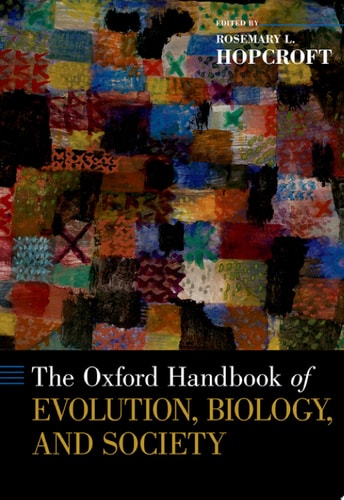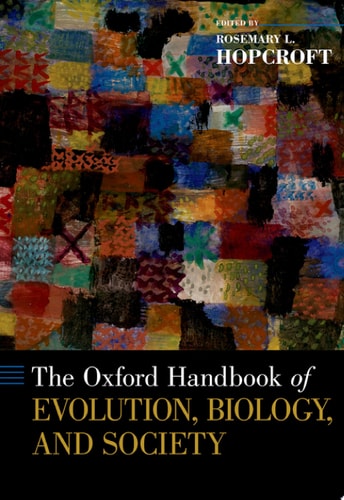
The Oxford Handbook of Evolution, Biology, and Society
0
0
As an Amazon Associate and affiliate partner, Menrva Books earns from qualifying purchases. Learn more
Author Description
Evolution, biology, and society is a catch-all phrase encompassing any scholarly work that utilizes evolutionary theory and/or biological or behavioral genetic methods in the study of the human social group, and The Oxford Handbook of Evolution, Biology, and Society contains an much needed overview of research in the area by sociologists and other social scientists. The examined topics cover a wide variety of issues, including the origins of social solidarity; religious beliefs; sex differences; gender inequality; determinants of human happiness; the nature of social stratification and inequality and its effects; identity, status, and other group processes; race, ethnicity, and race discrimination; fertility and family processes; crime and deviance; and cultural and social change.The scholars whose work is presented in this volume come from a variety of disciplines in addition to sociology, including psychology, political science, and criminology. Yet, as the essays in this volume demonstrate, the potential of theory and methods from biology for illuminating social phenomena is clear, and sociologists stand to gain from learning more about them and using them in their own work. The theory focuses on evolution by natural selection, the primary paradigm of the biological sciences, while the methods include the statistical analyses sociologists are familiar with, as well as other methods that they may not be familiar with, such as behavioral genetic methods, methods for including genetic factors in statistical analyses, gene-wide association studies, candidate gene studies, and methods for testing levels of hormones and other biochemicals in blood and saliva and including these factors in analyses.This work will be of interest to any sociologist with an interest in exploring the interaction of biological and sociological processes. As an introduction to the field it is useful for teaching upper-level or graduate students in sociology or a related social science.
Menrva's Summary
THE THESIS
This volume investigates the integration of evolutionary theory and biological methods into the sociological study of human social groups. Edited by Rosemary Hopcroft, the text compiles contributions from sociologists, psychologists, political scientists, and criminologists to establish a framework for understanding social phenomena through a biological lens. The work argues that natural selection and genetic analysis provide critical insights into complex social structures, offering researchers new methodologies to supplement traditional statistical approaches.
THE SCOPE MAP
What You Will Find
- Comprehensive analysis of social topics including stratification, religious belief, gender inequality, and crime.
- Methodological overviews of behavioral genetics, gene-wide association studies, and biochemical testing.
- Interdisciplinary perspectives bridging sociology with psychology and political science.
Scope Limits
- The text focuses primarily on the intersection of biology and sociology, excluding broader evolutionary biology topics not relevant to social group dynamics.
- It serves as an academic introduction rather than an exhaustive manual for laboratory-based genetic research.
THE AUTHORITY PERSPECTIVE
Experts identify this handbook as a foundational resource for social scientists seeking to incorporate biological variables into their research. Readers frequently note the academic density of the prose, which is tailored specifically for graduate-level study and professional sociological inquiry.
Page Count:
699
Publication Date:
2018-01-01
Publisher:
Oxford University Press
ISBN-10:
0190299339
ISBN-13:
9780190299330
Sociology
Evolutionary Biology
Physical Anthropology
Behavioral Genetics
Social Science
Community Tags
Similar Books