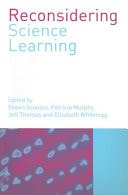
Reconsidering Science Learning
0
0
As an Amazon Associate and affiliate partner, Menrva Books earns from qualifying purchases. Learn more
Author Description
This informative book looks at science learning in a wide range of contexts. It is divided into three parts. Part one deals with the arguments put forward for studying science, and includes a discussion on what science learners need to know about the nature of science and how decisions about what forms science curricula are made. Part two includes articles on the processes by which science is learned and part three deals with inclusivity and diversity in science learning and what widening participation means for science education. This is a companion book to Mediating Science Learning through ICT also published by RoutledgeFalmer. Reconsidering Science Learning will be of particular interest to teachers on masters courses in science education and academics with an interest in science education.
Menrva's Summary
THE THESIS
This book investigates the multifaceted nature of science education by examining the intersection of curriculum design, learning processes, and social inclusivity. The authors, Eileen Scanlon, Jeff Thomas, and Patricia F. Murphy, draw upon academic research to evaluate why science is studied and how educational frameworks are constructed. By analyzing the cognitive and social dimensions of learning, the text provides a comprehensive overview of the challenges and objectives inherent in modern science instruction.
THE SCOPE MAP
What You Will Find
- Analysis of the philosophical and practical arguments for science education
- Examination of the cognitive processes involved in learning scientific concepts
- Discussion on inclusivity, diversity, and widening participation in science classrooms
- Frameworks for understanding how science curricula are developed and implemented
THE AUTHORITY PERSPECTIVE
Experts identify this work as a foundational text for graduate-level students and researchers focusing on pedagogical theory. Readers frequently note the academic density of the prose, which serves as a specialized resource for those engaged in advanced science education studies.
Page Count:
288
Publication Date:
2003-01-01
Publisher:
Taylor & Francis Group
ISBN-10:
0203464028
ISBN-13:
9780203464021
Science
Education
Pedagogy
Study & Teaching
Science Education
Community Tags
Similar Books