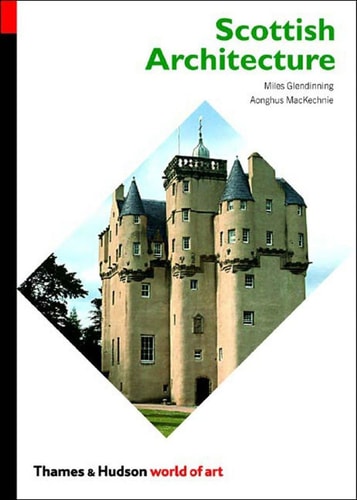
Scottish Architecture
0
0
As an Amazon Associate and affiliate partner, Menrva Books earns from qualifying purchases. Learn more
Author Description
Scotland is almost unique among smaller European nations in the distinctiveness and richness of its architectural heritage, dominated from the earliest times by monumental stone buildings. Prehistoric tombs and houses, early Christian, Romanesque and Gothic churches, medieval and Renaissance castles and palaces were followed, from the 17th century onward, under the stimulus of burgeoning wealth and power, by buildings reflecting a dazzling range of stylistic movements and forceful designers - including world-renowned names such as Robert Adam, Alexander Thomson and C. R. Mackintosh. In the 20th century, Scotland again saw distinctive developments and personalities. Miles Glendinning and Aonghus MacKechnie bring these diverse movements and architects to life, while setting them in their wider cultural context. The built environment has always been one of the central strands of Scottish identity, and this book, for the first time, sets out its story in a concise and readable form.
Menrva's Summary
THE THESIS
This book chronicles the distinctiveness and richness of Scotland's architectural heritage, from prehistoric times to the 20th century. The authors, Miles Glendinning and Aonghus MacKechnie, explore Scotland's monumental stone buildings, including tombs, houses, churches, castles, and palaces, while also highlighting the contributions of influential architects like Robert Adam, Alexander Thomson, and C. R. Mackintosh. The narrative places these architectural developments within their broader cultural context, emphasizing the built environment's role in shaping Scottish identity.
THE SCOPE MAP
- Coverage of prehistoric tombs and houses.
- Exploration of early Christian, Romanesque, and Gothic churches.
- Detailed accounts of medieval and Renaissance castles and palaces.
- Analysis of 17th-century onwards architectural movements and designers.
- Focus on 20th-century distinctive developments and personalities.
- Architectural history set within its wider cultural context.
- A concise and readable narrative of Scotland's built environment.
THE AUTHORITY PERSPECTIVE
The book is presented as a comprehensive yet accessible overview of Scottish architectural history. It aims to bring diverse movements and architects to life by situating them within their cultural and historical contexts. The authors' approach suggests a focus on the narrative of Scotland's built environment as a central strand of national identity. The description implies a scholarly yet readable account suitable for those interested in Scottish history and architecture.
Page Count:
224
Publication Date:
2004-01-01
Publisher:
Thames & Hudson
ISBN-10:
0500203741
ISBN-13:
9780500203743
Architecture
History
Non-Fiction
Scottish History
Community Tags
Similar Books