Ranger Medic Handbook
0
0
As an Amazon Associate and affiliate partner, Menrva Books earns from qualifying purchases. Learn more
Author Description
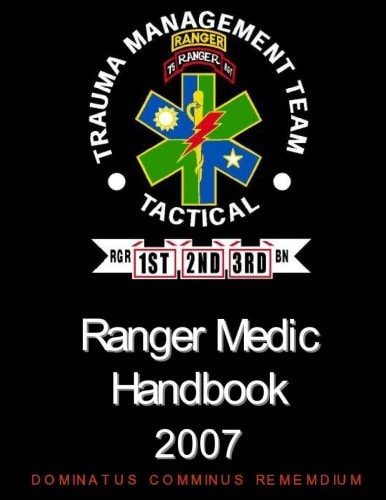
This is a reproduction of the original manual and is not spiral bound.Historically in warfare, the majority of all combat deaths have occurred prior to a casualty ever receiving advanced trauma management.The execution of the Ranger mission profile in the Global War on Terrorism and our legacy tasks undoubtedly will increase the number of lethal wounds.Ranger leaders can significantly reduce the number of Rangers who die of wounds sustained in combat by simply targeting optimal medical capability in close proximity to the point of wounding. Survivability of the traumatized Ranger who sustains a wound in combat is in the hands of the first responding Ranger who puts a pressure dressing or tourniquet and controls the bleeding of his fallen comrade.Directing casualty response management and evacuation is a Ranger leader task; ensuring technical medical competence is a Ranger Medic task.A solid foundation has been built for Ranger leaders and medics to be successful in managing casualties in a combat environment.An integrated team response from non-medical personnel and medical providers must be in place to care for the wounded Ranger.The Ranger First Responder, Squad EMT, Ranger Medic Advanced Tactical Practitioner, and Ranger leaders, in essence all Rangers must unite to provide medical care collectively, as a team, without sacrificing the flow and violence of the battle at hand.An integrated team approach to casualty response and care will directly translate to the reduction of the died of wounds rate of combat casualties and minimize the turbulence associated with these events in times of crisis.The true success of the Ranger Medical Team will be defined by its ability to complete the mission and greatly reduce preventable combat death. Rangers value honor and reputation more than their lives, and as such will attempt to lay down their own lives in defense of their comrades. The Ranger Medic will do no less.Topics include:RMED Standing Orders & GuidelinesCasualty As
Menrva's Summary
THE THESIS
This handbook addresses the critical need for immediate and effective trauma management in combat environments, particularly for military personnel operating in high-risk scenarios.
The manual, a reproduction of an original, focuses on empowering Ranger leaders and medics to significantly reduce combat deaths by ensuring optimal medical capability close to the point of wounding. It emphasizes that the survivability of a wounded Ranger often rests on the immediate actions of the first responding comrade, such as controlling bleeding with dressings or tourniquets. The text outlines the integrated team response required, from non-medical personnel to advanced medical practitioners, all working collectively to care for the wounded without compromising the ongoing mission.
THE SCOPE MAP
- RMED Standing Orders & Guidelines
- Casualty Assessment and Management
- Hemorrhage Control Techniques (including tourniquets and pressure dressings)
- Principles of Tactical Combat Casualty Care (TCCC)
- Evacuation procedures in a combat environment
- Team-based approach to casualty response
- Minimizing preventable combat death
THE AUTHORITY PERSPECTIVE
This handbook is presented as a critical resource for military medical personnel, particularly those in special operations units like the Ranger Regiment. Its focus on immediate, on-the-ground trauma care underscores the importance of rapid intervention in reducing combat mortality. The text emphasizes an integrated team approach, highlighting the roles of both medical and non-medical personnel in casualty management.
Page Count:
150
Publication Date:
2008-01-01
Publisher:
CreateSpace Independent Publishing Platform
ISBN-10:
1475296061
ISBN-13:
9781475296068
Health
Self-help
Non-Fiction
First Aid
Trauma Care
Military Medicine
Community Tags
Similar Books