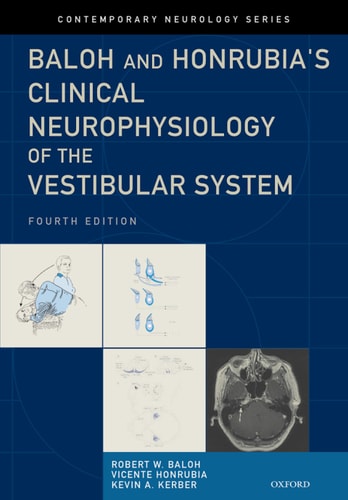
Baloh and Honrubia's Clinical Neurophysiology of the Vestibular System
0
0
As an Amazon Associate and affiliate partner, Menrva Books earns from qualifying purchases. Learn more
Author Description
This book provides a framework for understanding the pathophysiology of diseases involving the vestibular system. The book is divided into four parts: I. Anatomy and physiology of the vestibular system; II. Evaluation of the dizzy patient; III. Diagnosis and management of common neurotologic disorders; and IV. Symptomatic treatment of vertigo. Part I reviews the anatomy and physiology of the vestibular system with emphasis on clinically relevant material. Part II outlines the important features in the patient's history, examination, and laboratory evaluation that determine the probable site of lesion. Part III covers the differential diagnostic points that help the clinician decide on the cause and treatment of the patient's problem. Part IV describes the commonly used antivertiginous and antiemetic drugs and the rationale for vestibular exercises. The recent breakthroughs in the vestibular sciences are reviewed. This book will helpful to all physicians who study and treat patients complaining of dizziness.
Menrva's Summary
THE THESIS
This text investigates the pathophysiology of vestibular system disorders to provide a clinical framework for the diagnosis and management of dizzy patients. The authors, including experts in neurology and neurotology, synthesize anatomical knowledge with clinical practice to assist physicians in localizing lesions and determining appropriate therapeutic interventions. The book integrates foundational physiological principles with current diagnostic methodologies to address the complexities of vertigo and related neurotologic conditions.
THE SCOPE MAP
What You Will Find
- Detailed anatomical and physiological review of the vestibular system
- Clinical protocols for patient history, physical examination, and laboratory testing
- Differential diagnostic criteria for common neurotologic disorders
- Pharmacological and rehabilitative management strategies for vertigo
Scope Limits
- Does not cover surgical interventions for vestibular conditions
- Does not provide exhaustive coverage of rare, non-vestibular causes of dizziness
THE AUTHORITY PERSPECTIVE
Medical professionals frequently identify this work as a standard reference for understanding vestibular function in a clinical setting. Experts highlight the text for its balance between theoretical neurophysiology and practical application in the examination room.
Page Count:
476
Publication Date:
2010-01-01
Publisher:
Oxford University Press
ISBN-10:
0190452722
ISBN-13:
9780190452728
Medical
Otolaryngology
Allied Health
Neurology
Community Tags
Similar Books