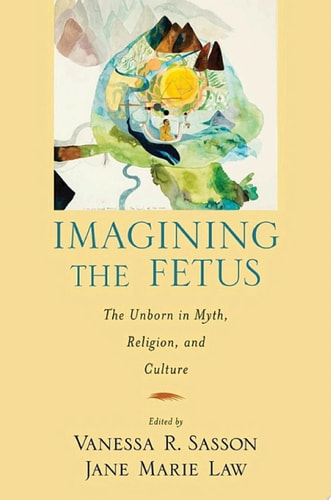
Imagining the Fetus: The Unborn in Myth, Religion, and Culture
0
0
As an Amazon Associate and affiliate partner, Menrva Books earns from qualifying purchases. Learn more
Author Description
In contemporary Western culture, the word "fetus" introduces either a political subject or a literal, medicalized entity. Neither of these frameworks does justice to the vast array of religious literature and oral traditions from cultures around the world in which the fetus emerges as a powerful symbol or metaphor. This volume presents essays that explore the depiction of the fetus in the world's major religious traditions, finding some striking commonalities as well as intriguing differences. Among the themes that emerge is the tendency to conceive of the fetus as somehow independent of the mother's body -- as in the case of the Buddha, who is described as inhabiting a palace while gestating in the womb. On the other hand, the fetus can also symbolically represent profound human needs and emotions, such as the universal experience of vulnerability. The authors note how the advent of the fetal sonogram has transformed how people everywhere imagine the unborn today, giving rise to a narrow range of decidedly literal questions about personhood, gender, and disability.
Menrva's Summary
THE THESIS
This volume investigates how the fetus is conceptualized as a symbolic and metaphorical entity across diverse religious traditions and cultural histories, challenging the modern tendency to view the unborn solely through medical or political lenses. The editors, Jane Marie Law and Vanessa R. Sasson, curate a collection of essays that analyze primary religious texts and oral traditions to demonstrate that the fetus has historically functioned as a powerful symbol of vulnerability, independence, and spiritual potential. By contrasting these historical perspectives with contemporary Western medicalized views, the authors argue that current discourse has narrowed the understanding of the unborn to literalist debates regarding personhood and biological status.
THE SCOPE MAP
What You Will Find
- Comparative analysis of fetal symbolism in major world religions
- Examination of the impact of modern medical technology, specifically the sonogram, on cultural perception
- Exploration of the fetus as an independent entity versus a maternal extension
- Case studies ranging from Buddhist narratives to various global oral traditions
Scope Limits
- The text does not provide a comprehensive medical or biological history of fetal development
- It avoids taking a stance on contemporary political or legal debates regarding abortion or reproductive rights
THE AUTHORITY PERSPECTIVE
Scholars and readers frequently note that this text provides a necessary interdisciplinary framework for understanding how religious history informs modern cultural perceptions of the unborn. Experts highlight the volume as a valuable resource for those interested in the intersection of religious studies, anthropology, and the history of medicine.
Page Count:
315
Publication Date:
2008-01-01
Publisher:
Oxford University Press
ISBN-10:
0190452250
ISBN-13:
9780190452254
Religion
Sociology
Anthropology
Gender Studies
Theological Anthropolgy
History of religion
Community Tags
Similar Books