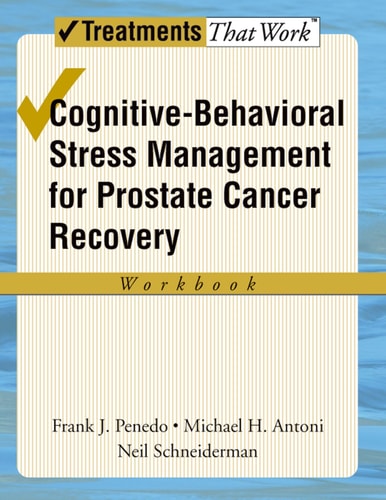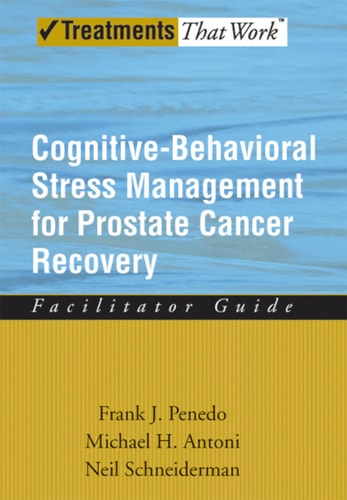
Cognitive-Behavioral Stress Management for Prostate Cancer Recovery: Facilitator Guide
0
0
As an Amazon Associate and affiliate partner, Menrva Books earns from qualifying purchases. Learn more
Author Description
Men treated for localized prostate cancer have an excellent medical prognosis, but may have difficulty readjusting to life after surgery as a result of treatment related side effects. Changes in physical functioning and ongoing PSA monitoring due to the possibility of recurrence may bring added stress. Effective stress management is a key factor in increasing quality of life in this population and may play a role in maintaining overall health. Cognitive Behavioral Stress Management (CBSM) and relaxation training constitute the two components of this comprehensive program. Each session provides participants with stress management skills, including cognitive restructuring, coping strategies, and social support. Participants practice a variety of relaxation methods, such as progressive muscle relaxation, imagery, and meditation. Relevant issues for men having had prostate cancer, such as sexuality and communication, are also addressed. This guide is designed to be used in conjunction with the corresponding workbook, which includes in-session exercises, monitoring forms, and homework assignments. Group meetings combined with home practice facilitate the application of effective stress management and relaxation techniques to the everyday lives of participants. Together, the guide and workbook include all the material and information needed to successfully implement this program.
Menrva's Summary
THE THESIS
This guide investigates the efficacy of Cognitive Behavioral Stress Management (CBSM) as a clinical intervention to improve the quality of life and psychological adjustment of men recovering from localized prostate cancer. The authors, Frank J. Penedo, Michael H. Antoni, and Neil Schneiderman, utilize their clinical expertise to present a structured, evidence-based program. The framework integrates cognitive restructuring, relaxation training, and social support to address the specific physical and psychological stressors associated with post-surgical recovery and cancer recurrence anxiety.
THE SCOPE MAP
What You Will Find
- A structured curriculum for group-based stress management sessions.
- Techniques for cognitive restructuring and coping strategy development.
- Guided relaxation methods including progressive muscle relaxation, imagery, and meditation.
- Modules addressing specific psychosocial challenges such as sexuality and communication.
Scope Limits
- The guide does not provide medical advice or surgical recovery protocols.
- It is designed specifically for use with the corresponding patient workbook and is not intended as a standalone self-help book for patients without clinical facilitation.
THE AUTHORITY PERSPECTIVE
Experts recognize this manual as a rigorous, evidence-based resource within the Treatments That Work series. Clinicians frequently highlight the utility of the structured session outlines for maintaining consistency in behavioral health interventions.
Page Count:
223
Publication Date:
2008-01-01
Publisher:
Oxford University Press
ISBN-10:
019045069X
ISBN-13:
9780190450694
Psychology
Health
Self Help
Oncology
Prostate
Relaxation
Community Tags
Similar Books