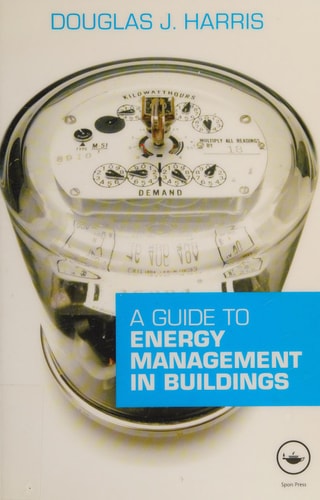
A Guide to Energy Management in Buildings
0
0
As an Amazon Associate and affiliate partner, Menrva Books earns from qualifying purchases. Learn more
Author Description
Inefficient energy use in buildings is both increasingly expensive and unsustainable. Indeed, the reduction of the energy consumption of existing buildings is as least as important as the design of new low-energy buildings. Controlling energy use is one thing, but it is important to assess or estimate it, and to understand the range of interventions for reducing its use and the methods for assessing the cost effectiveness of these measures. This comprehensive guide clearly and concisely covers the various issues from a theoretical standpoint and provides practical, worked examples where appropriate, along with examples of how the calculations are carried out. Topics covered include:where and how energy is used in buildings energy audits measuring and monitoring energy use techniques for reducing energy use in buildings legislative issues.It provides a template for instigating the energy management process within an organization, as well as guidance on management issues such as employee motivation, and gives practical details on how to carry it through. This book should appeal to building managers and facilities managers and also to students of energy management modules in FE and HE courses
Menrva's Summary
THE THESIS
This book investigates the critical necessity of reducing energy consumption in existing buildings through systematic assessment, intervention, and organizational management. Douglas William Harris provides a technical framework for building and facilities managers to transition from passive energy usage to active, cost-effective control. By integrating theoretical principles with practical calculation methods, the text serves as a manual for implementing sustainable practices in both commercial and institutional environments.
THE SCOPE MAP
What You Will Find
- Methodologies for conducting comprehensive energy audits in diverse building types.
- Quantitative techniques for measuring and monitoring real-time energy consumption.
- Practical strategies for implementing energy-saving interventions and assessing their financial viability.
- Organizational frameworks for managing energy policy, including employee engagement and legislative compliance.
THE AUTHORITY PERSPECTIVE
Experts identify this work as a practical resource for facilities managers and students requiring a structured approach to building efficiency. Readers frequently note the balance between theoretical energy principles and the inclusion of actionable, worked examples for professional application.
Page Count:
166
Publication Date:
2011-06-01
Publisher:
Routledge
ISBN-10:
0203861477
ISBN-13:
9780203861479
Business
Architecture
Construction - General
Buildings
Energy conservation
Reference
Air conditioning
Engineering
Sustainability
Community Tags
Similar Books