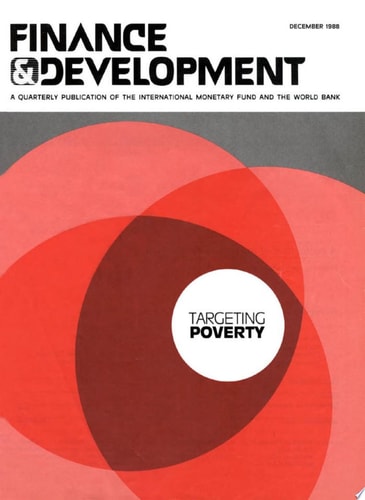
Finance & Development, December 1988
0
0
As an Amazon Associate and affiliate partner, Menrva Books earns from qualifying purchases. Learn more
Author Description
This paper describes the effect of IMF-supported adjustment programs on the poor. The paper highlights that IMF-supported adjustment programs have often been misunderstood and have been criticized for seeking excessive reductions in aggregate demand, resulting in unwarranted contractions of output and employment opportunities, and declines in the living standards of people living in poverty. The paper discusses the series of case studies of nine programs in seven countries that the IMF undertook to obtain a balanced and comprehensive appraisal of how the poor fare in the context of IMF-supported adjustment programs.
Menrva's Summary
THE THESIS
This paper investigates the impact of IMF-supported adjustment programs on impoverished populations. The International Monetary Fund's External Relations Department presents a detailed analysis, addressing common criticisms that these programs excessively reduce aggregate demand, leading to contractions in output, employment, and living standards for the poor. To provide a balanced appraisal, the paper examines a series of case studies from nine programs implemented across seven countries, offering empirical evidence on how vulnerable groups are affected.
THE SCOPE MAP
- Analysis of IMF-supported adjustment programs and their effects on the poor.
- Discussion of common criticisms regarding demand reduction and its consequences.
- Presentation of case studies from nine programs in seven countries.
- Appraisal of how the poor fare within the context of IMF-supported adjustment programs.
- Examination of output and employment contractions.
- Assessment of declines in living standards for impoverished populations.
THE AUTHORITY PERSPECTIVE
This publication from the International Monetary Fund addresses a critical aspect of economic policy: the impact of adjustment programs on the poor. The paper aims to provide a balanced perspective by examining real-world case studies, directly confronting criticisms leveled against such programs. It focuses on empirical evidence to understand the consequences for vulnerable populations, offering insights into the complexities of economic stabilization and poverty.
Page Count:
62
Publication Date:
1988-12-01
Publisher:
International Monetary Fund
ISBN-10:
1616353759
ISBN-13:
9781616353759
Economics
Non-Fiction
Social policy
Poverty Alleviation
Community Tags
Similar Books