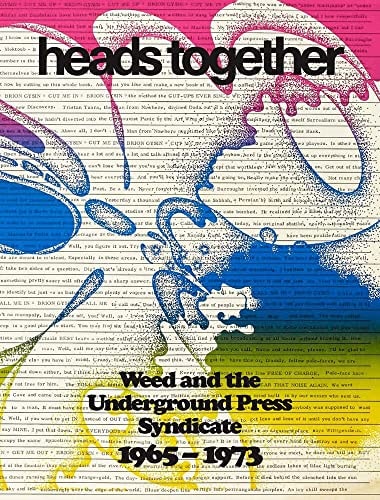
Heads Together: Weed and the Underground Press Syndicate, 1965-1973
0
0
As an Amazon Associate and affiliate partner, Menrva Books earns from qualifying purchases. Learn more
Author Description
A glorious design herbarium of marijuana spot illustrations, drawings, writing, ads and ephemera from the great underground magazines of the 1960s and '70s The youth uprising now simply known as the Sixties was fed by one of the greatest booms in publishing history. The Underground Press Syndicate (UPS) began as a loose confederation of five papers in 1966, and within a few years swelled to over 500 across the world, including Kaleidoscope, International Times and the East Village Other. They "spread like weed," said the UPS director, weed dealer and eventual founder of High Times Tom Forcade. The metaphor was apt: the UPS spurred the legalization movement, and weed became its totem--and a helpful means for government agencies to crack down on the UPS, since weed permeated UPS pages, with gaps in text crammed with weed-inspired "spot illustrations." Heads Together collects these drawings, shining a light on lesser-known names in the stoner-art canon, and many who weren't names at all since no signature was attached. It also compiles guides for growing weed from the period that were treated like contraband by the CIA. Activist-oriented, psychedelic rolling papers are showcased too. As pot now fast-tracks toward legalization in the US and beyond, its once-incendiary status is brought into odd relief. Pot's contemporary corporate profiteers do not reflect those who fought for legalization, or the Black and Latino populations strategically criminalized for pot well before hippies were targeted and long after. The art in this book speaks to a time when pot was smoked with optimism, as something capable of activating transformation in the face of corrupt and powerful forces.
Menrva's Summary
THE THESIS
This book investigates the visual and textual output of the Underground Press Syndicate (UPS) during its peak years of influence, from 1965 to 1973. It examines how marijuana, both as a cultural symbol and a publishing motif, permeated the pages of these alternative newspapers, which grew from five papers in 1966 to over 500 worldwide. The book highlights the art and writing that fueled the youth uprising and the legalization movement, while also acknowledging the complex social and political context, including the strategic criminalization of marijuana use. It presents this material as a reflection of a time when cannabis was associated with optimism and transformative potential against powerful forces.
THE SCOPE MAP
- A collection of spot illustrations, drawings, writing, advertisements, and ephemera from major underground magazines of the 1960s and '70s.
- Features work from lesser-known artists in the 'stoner-art' canon, many of whom were unsigned.
- Includes guides for growing marijuana that were considered contraband by the CIA.
- Showcases activist-oriented, psychedelic rolling papers.
- Explores the connection between the Underground Press Syndicate, the legalization movement, and the cultural significance of marijuana.
- Provides historical context on the criminalization of marijuana and its impact on marginalized communities.
- Analyzes the optimistic and transformative spirit associated with cannabis consumption during the era.
THE AUTHORITY PERSPECTIVE
The book is presented as a visual archive and historical document, celebrating the art and spirit of the counterculture press during a pivotal era. It highlights the unique role of marijuana in both the content and the suppression of these publications. The collection aims to bring attention to artists whose work might otherwise be overlooked and to contextualize the historical fight for legalization against contemporary realities. The material suggests a focus on the optimistic and transformative aspects of cannabis culture during the period.
Page Count:
557
Publication Date:
2023-01-01
Publisher:
Edition Patrick Frey
ISBN-10:
3907236548
ISBN-13:
9783907236543
History
Non-Fiction
Art
Counterculture
Graphic Design
Community Tags
Similar Books