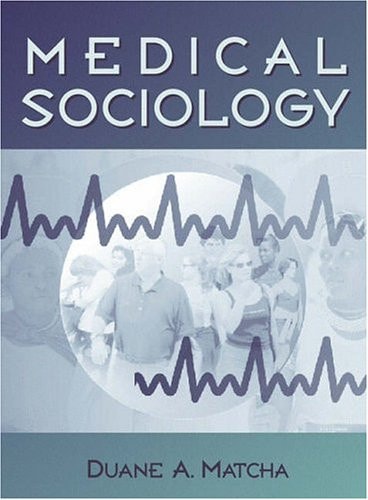
Medical Sociology
0
0
As an Amazon Associate and affiliate partner, Menrva Books earns from qualifying purchases. Learn more
Author Description
Medical sociology is the third largest specialty within sociology. The breadth of inquiry available within this topic area is wide and varied. Examples of questions with potential for a sociological explanation are: Why is the U.S. the only industrialized nation without universal health care? Why are doctors charged with saving lives yet left questioning the quality of that life? This book expands these questions and many others by comparative explanations. Each chapter acquaints the reader with research and outcomes not only from the United States and the industrialized world, but also from developing countries as well, utilizing race, class, age, and gender frameworks. For anyone interested in heath, medicine, and sociology, particularly from a global perspective.
Menrva's Summary
THE THESIS
This text investigates the sociological dimensions of health and medicine by examining how social structures influence medical systems and patient outcomes on a global scale. Duane A. Matcha, a scholar in the field, utilizes a comparative framework to analyze the intersection of health with race, class, age, and gender. The book synthesizes research from both industrialized and developing nations to provide a comprehensive overview of the sociological factors that shape medical practice and health policy.
THE SCOPE MAP
What You Will Find
- Comparative analysis of health care systems across industrialized and developing nations
- Examination of the social determinants of health including race, class, age, and gender
- Sociological explanations for disparities in global health care access and quality
- Theoretical frameworks for understanding the role of medical professionals in society
THE AUTHORITY PERSPECTIVE
This work serves as a foundational academic resource for students and researchers seeking to understand the structural complexities of global health systems. The text provides a rigorous, systematic approach to medical sociology that remains relevant for those analyzing the intersection of social policy and clinical practice.
Page Count:
432
Publication Date:
1999-06-28
Publisher:
Pearson
ISBN-10:
0205263097
ISBN-13:
9780205263097
Health
Social Science
Public Health
Medicine
Sociology
Community Tags
Similar Books