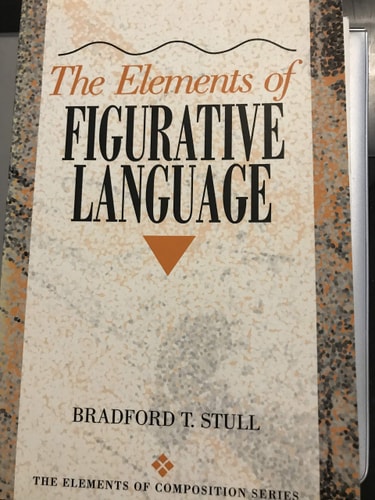
The Elements of Figurative Language
0
0
As an Amazon Associate and affiliate partner, Menrva Books earns from qualifying purchases. Learn more
Author Description
The Elements of Figurative Language explores figurative language and its central place in human life. The focus is on four figures or tropes: metaphor, analogy, synecdoche, and irony. The opening chapter discusses these tropes in general and, in the following chapters, the book provides extensive study of these tropes relative to five key categories in human life: race, class, gender, the environment, and war. Readers are provided with analyses of the ways in which tropes work in particular texts, as well as the opportunity to engage in both analysis and composition of trope-laden discourse. For those interested in improving their critical thinking, reading and writing
Menrva's Summary
THE THESIS
This work investigates the fundamental role of figurative language in shaping human perception and discourse across critical societal domains. Author Bradford T. Stull provides a structured framework for identifying and analyzing four primary tropes—metaphor, analogy, synecdoche, and irony—to demonstrate how these linguistic tools construct meaning. By applying these concepts to complex subjects such as race, class, gender, the environment, and war, the text bridges the gap between theoretical rhetoric and practical application in both reading and composition.
THE SCOPE MAP
What You Will Find
- A detailed examination of four core tropes: metaphor, analogy, synecdoche, and irony.
- Analytical frameworks for applying figurative language to contemporary social issues including war and environmental policy.
- Practical exercises designed to enhance critical thinking and writing proficiency.
- Case studies demonstrating how tropes function within diverse texts to influence reader interpretation.
THE AUTHORITY PERSPECTIVE
The subject matter points to a dense, academic-adjacent text intended for students and educators seeking a rigorous approach to rhetorical analysis. The framing suggests a pedagogical focus, prioritizing the development of analytical skills through structured engagement with both classic and contemporary discourse.
Page Count:
160
Publication Date:
2001-10-09
Publisher:
Longman
ISBN-10:
0205337120
ISBN-13:
9780205337125
Education
Language Arts
Rhetoric
Literary Criticism
Critical thinking
Writing Skills
Figures of speech
Community Tags
Similar Books