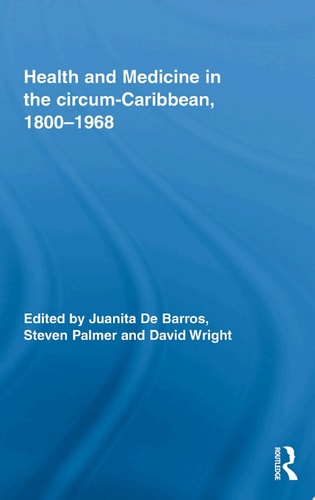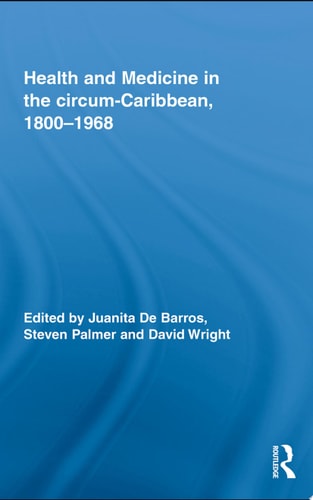
Health and Medicine in the circum-Caribbean, 1800-1968
0
0
As an Amazon Associate and affiliate partner, Menrva Books earns from qualifying purchases. Learn more
Author Description
Health and medicine in colonial environments is one of the newest areas in the history of medicine, but one in which the Caribbean is conspicuously absent. Yet the complex and fascinating history of the Caribbean, borne of the ways European colonialism combined with slavery, indentureship, migrant labour and plantation agriculture, led to the emergence of new social and cultural forms which are especially evident the area of health and medicine. The history of medical care in the Caribbean is also a history of the transfer of cultural practices from Africa and Asia, the process of creolization in the African and Asian diasporas, the perseverance of indigenous and popular medicine, and the emergence of distinct forms of western medical professionalism, science, and practice. This collection, which covers the French, Hispanic, Dutch, and British Caribbean, explores the cultural and social domains of medical experience and considers the dynamics and tensions of power. The chapters emphasize contestations over forms of medicalization and the controls of public health and address the politics of professionalization, not simply as an expression of colonial power but also of the power of a local elite against colonial or neo-colonial control. They pay particular attention to the significance of race and gender, focusing on such topics as conflicts over medical professionalization, control of women’s bodies and childbirth, and competition between ‘European’ and ‘Indigenous’ healers and healing practices. Employing a broad range of subjects and methodological approaches, this collection constitutes the first edited volume on the history of health and medicine in the circum-Caribbean region and is therefore required reading for anyone interested in the history of colonial and post-colonial medicine.
Menrva's Summary
THE THESIS
This collection investigates the under-explored history of health and medicine in the circum-Caribbean region from 1800 to 1968. It addresses the unique medical challenges and developments arising from the region's complex history of colonialism, slavery, indentureship, and diverse cultural influences from Africa, Asia, and indigenous populations. The book examines the interplay of Western medical professionalism with local healing practices, the dynamics of power, and the significance of race and gender in shaping medical experiences and public health controls.
THE SCOPE MAP
- The history of health and medicine across French, Hispanic, Dutch, and British Caribbean territories.
- An exploration of the transfer of cultural practices from Africa and Asia, and the creolization of diasporic communities.
- The role and perseverance of indigenous and popular medicine alongside Western medical professionalism.
- Analysis of medicalization, public health controls, and the politics of professionalization by local elites.
- Focus on the significance of race and gender in medical conflicts, childbirth control, and healing practices.
- A broad range of subjects and methodological approaches to understanding colonial and post-colonial medicine.
THE AUTHORITY PERSPECTIVE
This collection is presented as the first edited volume dedicated to the history of health and medicine in the circum-Caribbean, aiming to fill a conspicuous absence in the history of medicine scholarship. The book's scope, covering multiple colonial powers and diverse cultural influences, suggests a comprehensive and interdisciplinary approach to understanding the region's medical past. Its emphasis on social, cultural, and political dynamics, including race and gender, indicates a nuanced examination of medical practices and power structures within colonial and post-colonial contexts. The collection is positioned as essential reading for scholars and students interested in colonial and post-colonial medicine.
Page Count:
322
Publication Date:
2010-11-16
Publisher:
Routledge
ISBN-10:
1135894833
ISBN-13:
9781135894832
History
Non-Fiction
Caribbean Studies
Caribbean Area
Colonialism
Social History
Medicine
Cultural History
Colonies
Community Tags
Similar Books