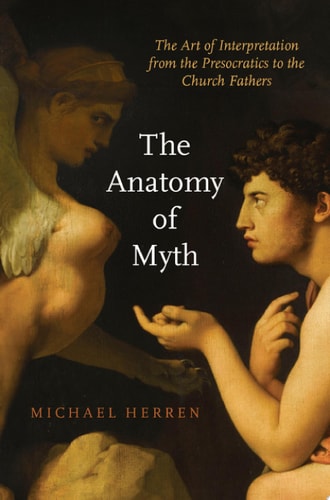
The Anatomy of Myth
0
0
As an Amazon Associate and affiliate partner, Menrva Books earns from qualifying purchases. Learn more
Author Description
The Anatomy Of Myth Is A Comprehensive Study Of The Different Methods Of Interpreting Myths Developed By The Greeks, Adopted By The Romans, And Eventually Passed On To Jewish And Christian Interpreters Of The Bible. Greek Thinkers Only Rarely Saw Myth As A Category Of Thought In Its Own Right. Most Often They Viewed Myths As The Creation Of Poets, Or Else As An Ancient Revelation That Had Been Corrupted By Them. In The First Instance, Critics Attempted To Find In The Intention Of The Authors Some Deeper Truth, Whether Physical Or Spiritual; In The Second, They Deemed It Necessary To Clear Away Poetic Falsehoods In Order To Recapture An Ancient Revelation. Parallel To The Philosophical Critiques Were The Efforts Of Early Historians To Explain Myths As Exaggerated History; Myths Could Be Purified By Logos (reason) And Rendered Believable. Practically All Of These Early Methods Could Be Lumped Under The Term Allegory--to Intend Something Different From What One Expressed. Only Occasionally Did Philosophers Veer From A Concern For The Literal Truth Of Myths But A Few Thinkers, While Acknowledging Myths As Fictions, Defended Their Value For The Examples Of Good And Bad Human Behavior They Offered. These Early Efforts Were Invaluable For The Development Of Critical Thinking, Enabling Public Criticism Of Even The Most Authoritative Texts. The Church Fathers Took The Interpretative Methods Of Their Pagan Contemporaries And Applied Them Vigorously To Their Reading Of The Scriptures. Pagan Greek Methods Of Myth Interpretation Passed Into The Middle Ages And Beyond, Serving As A Perennial Defense Against The Damaging Effects Of Scriptural Literalism And Fundamentalism.
Menrva's Summary
THE THESIS
This work investigates the historical evolution of myth interpretation methods from Ancient Greece through the development of early Christian exegesis. Michael Herren, a scholar of classical and medieval studies, examines how ancient thinkers categorized myths as either poetic invention or corrupted revelation. By analyzing the transition of these interpretive frameworks into Jewish and Christian traditions, the author argues that these early critical methods provided the foundation for modern textual analysis and served as a defense against rigid literalism.
THE SCOPE MAP
What You Will Find
- Analysis of Greek philosophical approaches to myth including allegory and euhemerism.
- Examination of the transition of pagan interpretive tools to early Church Fathers.
- Discussion of the role of myth in shaping early critical thinking and public discourse.
Scope Limits
- The text focuses primarily on Western traditions and does not cover non-Western mythologies.
- The analysis concludes with the transition into the Middle Ages and does not provide a modern history of mythography.
THE AUTHORITY PERSPECTIVE
Scholars and students of classical history frequently cite this text for its clear categorization of ancient hermeneutical strategies. Readers often note the academic density of the prose, which serves as a foundational resource for understanding the roots of scriptural interpretation.
Page Count:
296
Publication Date:
2016-01-01
Publisher:
Oxford University Press
ISBN-10:
0190606711
ISBN-13:
9780190606718
Philosophy
History
Religion
Literary Criticism
Mythology
Community Tags
Similar Books