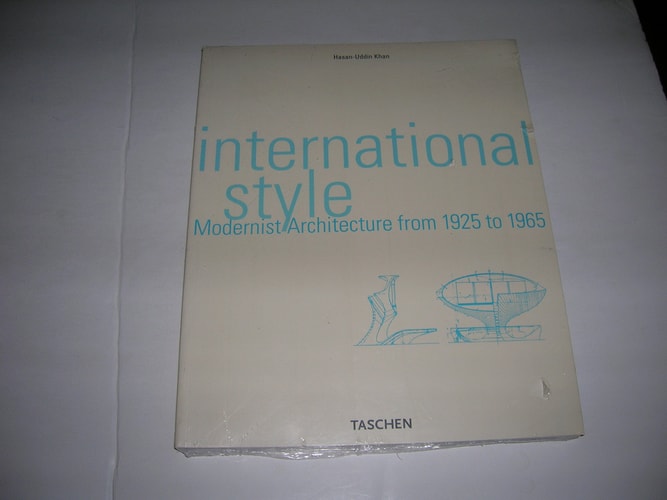
International Style Modernist Architecture from 1925 to 1965
0
0
As an Amazon Associate and affiliate partner, Menrva Books earns from qualifying purchases. Learn more
Author Description
International Style Modernist Architecture from 1925 to 1965 "Modern architecture is not a new branch of an old tree - it is an altogether new shoot rising beside the old roots." Thus Walter Gropius, one of the pioneers of modern architecture, on the radical departures of the 20th century. In the 1930s, the term International Style came into use to describe a new form of architecture evolved from Bauhaus and its conviction that "form follows function". Until the 1980s, International Style set the standard in modern building, with its logical formal idiom and rational solutions to construction problems. Combining steel, glass and concrete, it established an aesthetic founded on the sheer thrill of pushing to the limits of technical and economic viability. Hence the exhil-arating skylines of metropolises worldwide - but also the desolate anonymity of modern suburban environments. This book traces the exciting evolution of a style while examining the individual and regional forms it took, and analyses the ideals and realities of architectural visions of utopia. The Author: Hasan-Uddin Khan studied at the Architectural Association in London and subsequently worked as a freelance architect in London and Karachi. From 1977 to 1994 he supervised the Aga Khan's building projects, and was editor of the periodical "Mimar. Architecture in Development" from 1981 until 1992. Since 1994 he has been Visiting Professor at the Massachusetts Institute of Technology.
Menrva's Summary
THE THESIS
This book investigates the evolution and impact of the International Style of modernist architecture from its inception in 1925 to its peak influence by 1965. Hasan-Uddin Khan, an architect and academic with extensive experience in architectural publications and projects, draws upon his expertise to analyze this significant architectural movement. The book examines the core principles of the International Style, its development through key figures and institutions like the Bauhaus, and its global dissemination. It further explores the aesthetic and technical innovations, as well as the utopian ideals and practical consequences that shaped the built environment during this period.
THE SCOPE MAP
- The origins and development of the International Style, from its roots in the Bauhaus to its widespread adoption.
- Analysis of key architects, buildings, and regional variations of the style.
- Exploration of the aesthetic principles, technical innovations (steel, glass, concrete), and economic considerations.
- Discussion of the utopian ideals and the social and environmental impacts of the International Style.
- Examination of the period from 1925 to 1965, highlighting its peak influence.
THE AUTHORITY PERSPECTIVE
The book traces the exciting evolution of the International Style, examining its individual and regional forms while analyzing the ideals and realities of architectural visions of utopia. Hasan-Uddin Khan's background as an architect and editor of "Mimar. Architecture in Development" suggests a knowledgeable and critical perspective on the subject. The description indicates a comprehensive overview of a pivotal era in modern architecture, suitable for those interested in design history and theory.
Page Count:
237
Publication Date:
2001-01-01
Publisher:
Taschen
ISBN-10:
3822812293
ISBN-13:
9783822812297
History
Architecture
Non-Fiction
Design
Community Tags
Similar Books