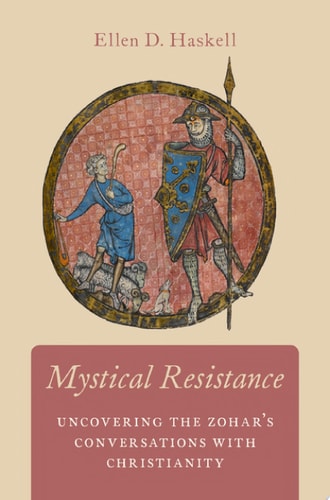
Mystical Resistance
0
0
As an Amazon Associate and affiliate partner, Menrva Books earns from qualifying purchases. Learn more
Author Description
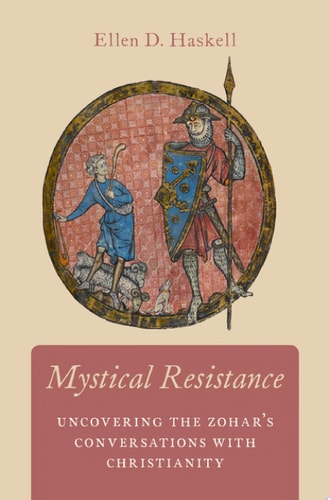
The Thirteenth-century Jewish Mystical Classic Sefer Ha-zohar (the Book Of Splendor), Commonly Known As The Zohar, Took Shape Against A Backdrop Of Rising Anti-judaism In Spain. Mystical Resistance Reveals That In Addition To The Zohar's Role As A Theological Masterpiece, Its Kabbalistic Teachings Offer Passionate And Knowledgeable Critiques Of Christian Majority Culture. During The Zohar's Development, Christian Friars Implemented New Missionizing Strategies, Forced Jewish Attendance At Religious Disputations, And Seized And Censored Jewish Books. In Response, The Kabbalists Who Composed The Zohar Crafted Strategically Subversive Narratives Aimed At Diminishing Christian Authority. Hidden Between The Lines Of Its Fascinating Stories, The Zohar Makes Daring Assertions That Challenge Themes Important To Medieval Christianity, Including Christ's Passion And Ascension, The Mendicant Friars' New Missionizing Strategies, And Gothic Art's Claims Of Christian Dominion. These Assertions Rely On An Intimate And Complex Knowledge Of Christianity Gleaned From Rabbinic Sources, Polemic Literature, Public Church Art, And Encounters Between Christians And Jews. Much Of The Kabbalists' Subversive Discourse Reflects Language Employed By Writers Under Oppressive Political Regimes, Treading A Delicate Line Between Public And Private, Power And Powerlessness, Subservience And Defiance. By Placing The Zohar In Its Thirteenth-century Context, Haskell Opens This Text As A Rich And Fruitful Source Of Jewish Cultural Testimony Produced At The Epicenter Of Sweeping Changes In The Relationship Between Medieval Western Europe's Christian Majority And Its Jewish Minority.
Menrva's Summary
THE THESIS
This work investigates how the thirteenth-century Jewish mystical text, the Zohar, functioned as a sophisticated instrument of cultural and theological resistance against the rising anti-Judaism of medieval Spain. Ellen D. Haskell, a scholar of Jewish history and mysticism, utilizes historical analysis of the Zohar's composition to argue that its kabbalistic narratives were intentionally crafted to subvert Christian hegemony. By examining the text alongside contemporary polemics and social pressures, she demonstrates that the authors employed coded discourse to challenge Christian doctrines and institutional authority.
THE SCOPE MAP
What You Will Find
- Analysis of the Zohar's engagement with medieval Christian themes such as the Passion and Ascension.
- Examination of the impact of mendicant friars and religious disputations on Jewish literary production.
- Methodology for identifying subversive discourse within religious texts produced under oppressive regimes.
Scope Limits
- The study does not provide a comprehensive theological overview of all kabbalistic concepts within the Zohar.
- It does not focus on the later reception or influence of the Zohar in non-Spanish Jewish communities.
THE AUTHORITY PERSPECTIVE
Scholars recognize this text as a significant contribution to the study of medieval Jewish-Christian relations and the political dimensions of mystical literature. Readers frequently note the academic density of the prose, which provides a rigorous framework for understanding the Zohar as a document of cultural defiance.
Page Count:
304
Publication Date:
2016-01-01
Publisher:
Oxford University Press
ISBN-10:
0190600446
ISBN-13:
9780190600440
History
Religion
Kabbalah
Theology
Judaism
Community Tags
Similar Books