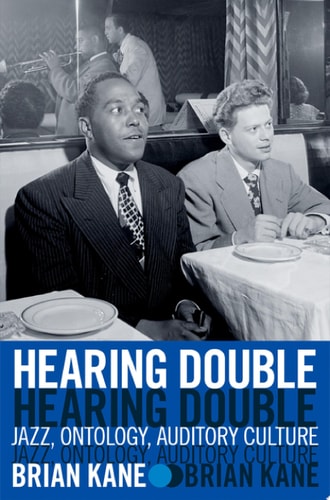
Hearing Double: Jazz, Ontology, Auditory Culture
0
0
As an Amazon Associate and affiliate partner, Menrva Books earns from qualifying purchases. Learn more
Author Description
When We Talk About A Jazz 'standard' We Usually Mean One Of The Many Songs That Jazz Musicians Repeatedly Play As Part Of Their Core Repertoire. But Unlike Musical Works In The Tradition Of So-called Classical Music, Standards - Whether Plucked From The 'great American Songbook' Or From Recordings By Other Jazz Musicians - Are Always Being Transformed In Performance. They Are Rearranged And Improvised Upon, Given New Chords And Altered Melodies. These Transformations Might Be Small And Seemingly Unimportant, Or They Might Be Radical Revisions. Which Raises The Question: Across All Of These Various Performances, What Gives A Standard Its Identity? In 'hearing Double', Brian Kane Answers That Question By Offering A New Theory Of Musical Works That Can Account For The Unique Challenges Presented By Standards. Brian Kane. Includes Bibliographical References, Discography And Index.
Menrva's Summary
THE THESIS
What constitutes the identity of a jazz standard when the musical work is subject to constant transformation through performance and improvisation? Brian Kane, a scholar of music and philosophy, investigates the ontological status of jazz standards by contrasting them with the fixed-work paradigm of Western classical music. He proposes a theoretical framework that accounts for the fluidity of jazz repertoire, arguing that identity in this context is maintained through specific relational processes rather than static scores or singular original recordings.
THE SCOPE MAP
What You Will Find
- A philosophical inquiry into the ontology of musical works
- Analysis of the Great American Songbook and jazz performance practices
- A proposed theoretical model for understanding musical identity in flux
Scope Limits
- The text does not provide a comprehensive history of jazz music
- It does not serve as a practical guide for jazz improvisation or arrangement
THE AUTHORITY PERSPECTIVE
Scholars and music theorists recognize this work as a significant contribution to the philosophy of music, particularly for its rigorous challenge to traditional ontological categories. Readers frequently note the academic density of the prose, which requires a foundational understanding of both jazz history and philosophical discourse.
Page Count:
0
Publication Date:
1900-01-01
Publisher:
Oxford University Press,
ISBN-10:
0190600535
ISBN-13:
9780190600532
Philosophy
Music
Music theory
Ontology
Jazz
Community Tags
Similar Books