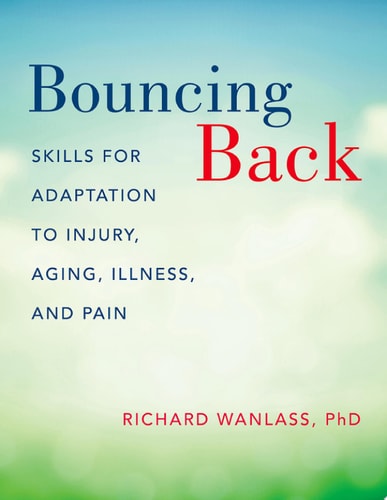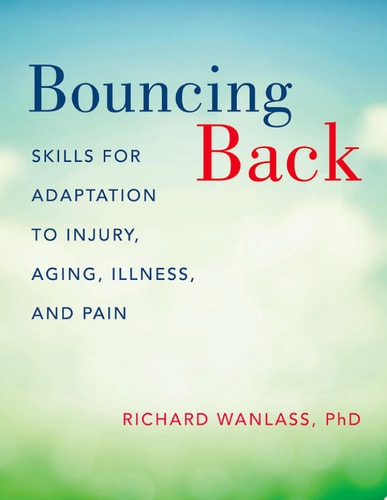
Bouncing Back: Skills for Adaptation to Injury, Aging, Illness and Pain
0
0
As an Amazon Associate and affiliate partner, Menrva Books earns from qualifying purchases. Learn more
Author Description
Decline In Our Physical And Mental Abilities May Be Due To Injury, Illness, Or Chronic Pain, Or May Simply Be The Results Of Normal Aging. Sometimes Changes In Ability Are Gradual Enough And Minor Enough That We Adapt To Them Effortlessly. In Other Circumstances, However, These Ability Changes Are More Abrupt Or More Pronounced And Pose A Real Challenge To Our Coping Resources. In Bouncing Back: Skills For Adaptation To Injury, Aging, Illness And Pain, Richard Wanlass Shares New Research Findings And Observations Of What He Has Learned In His Thirty-five Years Of Helping Others Adapt To These Changes. Bouncing Back Presents Seven Modules Associated With Changes In Ability, Including Self-management, Mood Regulation, Stress And Anxiety Management, Anger And Frustration Management, Relationship Management, Memory Management, And Pain Management. Exercises Follow Almost Every Section To Ensure Concepts Are Understood And Practiced. These Developed Tools Provide New Resilience Skills And Strategies To Become Better At Change. They Address The Specific Challenges Of The Broad And Growing Population Of Those Learning To Adapt To Their Loss Of Ability, And Should Be Of Aid For The Public And For Rehabilitation Psychologists And Neuropsychologists In Their Practice.
Menrva's Summary
THE THESIS
This book investigates how individuals can effectively adapt to the physical and mental limitations imposed by injury, chronic illness, or the natural aging process. Richard Wanlass, a professional with thirty-five years of experience in rehabilitation psychology and neuropsychology, synthesizes clinical observations and research to provide a structured framework for resilience. He argues that while ability loss presents significant challenges to coping resources, individuals can acquire specific psychological tools to manage these transitions successfully.
THE SCOPE MAP
What You Will Find
- Seven distinct modules covering self-management, mood, stress, anxiety, anger, relationships, and memory.
- Practical exercises designed to reinforce cognitive and behavioral strategies.
- Clinical insights derived from decades of work in rehabilitation settings.
Scope Limits
- The text focuses primarily on psychological adaptation rather than medical or physiological treatment of underlying conditions.
- It does not provide exhaustive clinical diagnostic criteria for specific neurological disorders.
THE AUTHORITY PERSPECTIVE
Professionals in the fields of rehabilitation psychology and neuropsychology view this work as a practical resource for patient education and self-management. Readers frequently note the accessibility of the exercises, which translate complex psychological concepts into actionable steps for daily life.
Page Count:
240
Publication Date:
2017-01-01
Publisher:
Oxford University Press
ISBN-10:
0190610565
ISBN-13:
9780190610562
Psychology
Health
Chronic Pain
Personal Growth
Self Help
Aging
Community Tags
Similar Books