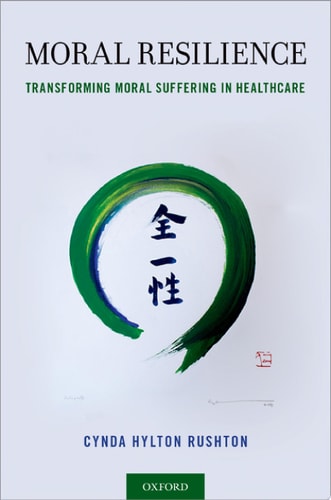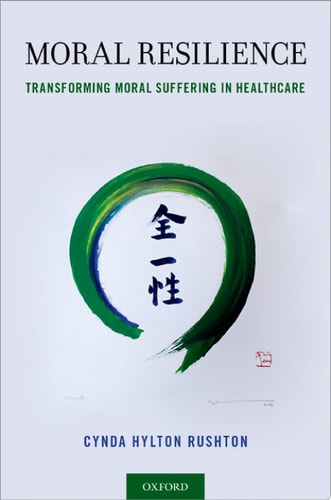
Moral Resilience: Transforming Moral Suffering In Healthcare
0
0
As an Amazon Associate and affiliate partner, Menrva Books earns from qualifying purchases. Learn more
Author Description
Suffering Is An Unavoidable Reality In Healthcare. Not Only Are Patients And Families Suffering But Also The Clinicians Who Care For Them. Commonly The Suffering Experienced By Clinicians Is Moral In Nature, In Part A Reflection Of The Increasing Complexity Of Health Care, Their Roles Within It, And The Expanding Range Of Available Interventions That Challenge Their Moral Foundations. Moral Suffering Is The Anguish That Arises Occurs In Response To Moral Adversity That Challenges Clinicians Integrity: The Inner Harmony That Arises When Their Essential Values And Commitments Are Aligned With Their Choices And Actions. The Sources And Sequelae Of Moral Distress, One Type Of Moral Suffering, Have Been Documented Among Clinicians Across Specialties. Transforming Their Suffering Will Require Solutions That Expanded Individual And System Strategies. Moral Resilience, The Capacity Of An Individual To Restore Or Sustain Integrity In Response To Moral Adversity, Offers A Path Forward. It Encompasses Capacities Aimed At Developing Self- Regulation And Self-awareness, Buoyancy, Moral Efficacy, Self-stewardship And Ultimately Personal And Relational Integrity. Whether It Involves Gradual Or Profound Radical Change Clinicians Have The Potential To Transform Themselves And Their Clinical Practice In Ways That More Authentically Reflect Their Character, Intentions And Values. The Burden Of Healing Our Healthcare System Is Not The Sole Responsibility Of Individuals. Clinicians And Healthcare Organizations Must Work Together To Transform Moral Suffering By Cultivating The Individual Capacities For Moral Resilience And Designing A New Architecture To Support Ethical Practice. Used Worldwide For Scalable And Sustainable Change, The Conscious Full Spectrum Approach, Offers A Method To Solve Problems To Support Integrity, Shift Patterns That Undermine Moral Resilience And Ethical Practice, And Leverage The Inner Potential Of Clinicians And Leaders To Produce Meaningful And Sustainable R
Menrva's Summary
THE THESIS
This book investigates how healthcare professionals can mitigate moral suffering and cultivate moral resilience to maintain their professional integrity within increasingly complex clinical environments. Cynda H. Rushton, a prominent expert in nursing and bioethics, synthesizes research on moral distress and organizational ethics to provide a framework for systemic and individual change. The text argues that moral suffering is an inevitable byproduct of modern healthcare, requiring a dual approach that empowers clinicians while demanding structural reform from healthcare institutions.
THE SCOPE MAP
What You Will Find
- The Conscious Full Spectrum Approach for organizational and individual change
- Strategies for developing self-awareness, moral efficacy, and self-stewardship
- Analysis of the relationship between clinical integrity and patient care outcomes
- Frameworks for designing institutional architectures that support ethical practice
Scope Limits
- Does not provide clinical medical advice for patient treatment
- Does not focus on individual psychological therapy for non-work-related trauma
THE AUTHORITY PERSPECTIVE
Experts in bioethics and nursing leadership identify this work as a foundational text for addressing the systemic causes of clinician burnout and moral injury. Readers frequently note the academic rigor of the prose, which balances theoretical ethical frameworks with actionable strategies for healthcare administrators and practitioners.
Page Count:
0
Publication Date:
1900-01-01
Publisher:
Oxford University Press,
ISBN-10:
0190619279
ISBN-13:
9780190619275
Psychology
Medical Ethics
Ethics Professional
Healthcare Administration
Morals
Stress
Nursing
Stress Psychological
Ethics Medical
Professional Development
Community Tags
Similar Books