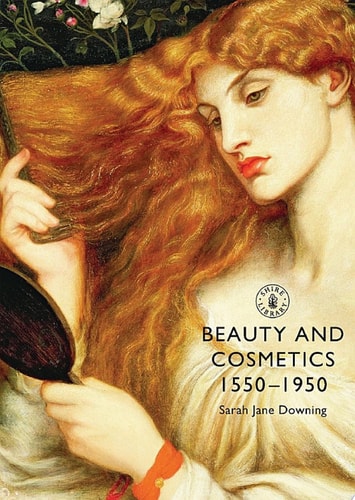
Beauty and Cosmetics 1550 to 1950
0
0
As an Amazon Associate and affiliate partner, Menrva Books earns from qualifying purchases. Learn more
Author Description
The source of tremendous power and the focus of incredible devotion, throughout history notions of beauty have been integral to social life and culture. Each age has had its own standards: a gleaming white brow during the Renaissance, the black eyebrows considered charming in the early eighteenth century, and the thin lips thought desirable by Victorians. Beauty has ensured good marriages, enabled social mobility and offered fame and notoriety, and has led women – and some men – to remarkable lengths in cultivating it, from the dangerous quantities of lead applied by Elizabeth I, to the women of the 1940s and '50s, who employed face powder, lipstick and mascara to look their best during the privations of war and austerity, creating a chic appearance to which many still aspire.
Menrva's Summary
THE THESIS
The evolution of beauty standards and practices across four centuries reveals their profound impact on social life and individual ambition. From the Renaissance ideal of a pale brow to the thin lips favored by Victorians, and the wartime glamour of the 1940s and '50s, notions of beauty have consistently shaped social mobility, marriage prospects, and even fame. The book explores the extreme measures individuals undertook to achieve these ideals, from the dangerous use of lead in Elizabethan times to the cosmetic routines adopted during periods of austerity.
THE SCOPE MAP
- An examination of beauty standards and cosmetic practices from the Renaissance (1550) through to the mid-20th century (1950).
- Analysis of how beauty has influenced social standing, marriage opportunities, and personal ambition across different historical periods.
- Details on specific cosmetic ingredients and techniques used, including dangerous substances like lead and the popularization of face powder, lipstick, and mascara.
- Exploration of the cultural and social significance of beauty in shaping individual identities and societal expectations.
THE AUTHORITY PERSPECTIVE
This book offers a comprehensive historical survey of beauty and cosmetics, tracing the shifting ideals and practices from the 16th to the mid-20th century. The author meticulously details how beauty standards have been intertwined with social mobility, marriage, and fame, highlighting the lengths to which people have gone to achieve them. It covers a wide range of historical periods, from the Renaissance to the post-war era, providing specific examples of cosmetic use and their cultural context. The work is likely to appeal to readers interested in social history, fashion, and the cultural significance of appearance.
Page Count:
64
Publication Date:
2012-07-20
Publisher:
Bloomsbury UK
ISBN-10:
1782001190
ISBN-13:
9781782001195
History
Non-Fiction
Beauty
Social History
Fashion
Community Tags
Similar Books