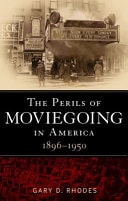
Perils of Moviegoing in America 1896-1950
0
0
As an Amazon Associate and affiliate partner, Menrva Books earns from qualifying purchases. Learn more
Author Description
During the first fifty years of the American cinema, the act of going to the movies was a risky process, fraught with a number of possible physical and moral dangers. Film fires were rampant, claiming many lives, as were movie theatre robberies, which became particularly common during the Great Depression. Labor disputes provoked a large number of movie theatre bombings, while low-level criminals like murderers, molesters, and prostitutes plied their trades in the darkened auditoriums. That was all in addition to the spread of disease, both real (as in the case of influenza) and imagined (""mo
Menrva's Summary
THE THESIS
This book investigates the myriad dangers faced by moviegoers in America between 1896 and 1950. The early decades of cinema presented a landscape fraught with physical and moral perils, from rampant film fires and common theatre robberies to labor-dispute-provoked bombings. Within the darkened auditoriums, low-level criminals operated, and the public grappled with the spread of both real and imagined diseases. Rhodes meticulously details these risks, painting a vivid picture of a once-novel entertainment form that was far from benign.
THE SCOPE MAP
- Analysis of film fires and their deadly consequences in early movie theaters.
- Examination of movie theater robberies, particularly their prevalence during the Great Depression.
- Documentation of labor disputes leading to movie theater bombings.
- Exploration of criminal activities within darkened auditoriums, including murder and molestation.
- Discussion of the public's fear regarding the spread of diseases, both real and perceived, in cinemas.
- Coverage of the period from the inception of American cinema to the mid-20th century.
THE AUTHORITY PERSPECTIVE
Gary Don Rhodes's "Perils of Moviegoing in America 1896-1950" offers a detailed examination of the often-overlooked dangers associated with attending early American cinemas. The book draws upon extensive historical research to reconstruct a period when a trip to the movies could indeed be a hazardous undertaking. It highlights the physical threats like fires and bombings, as well as the social and moral anxieties that permeated the moviegoing experience. The work provides a valuable perspective on the evolution of public spaces and entertainment.
Page Count:
383
Publication Date:
2012-01-01
Publisher:
Bloomsbury Publishing
ISBN-10:
1628929006
ISBN-13:
9781628929003
Non-Fiction
History
Film Studies
Social History
American History
Community Tags
Similar Books














