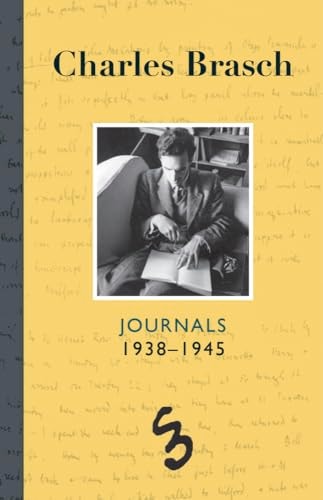
Charles Brasch Journals, 1938-1945
0
0
As an Amazon Associate and affiliate partner, Menrva Books earns from qualifying purchases. Learn more
Author Description
For most of his adult life, Charles Brasch's most intimate companion was his diary. In these journals, written in London during the Second World War, he is a young man searching for answers. Is he a pacifist? Should he join the army? Is he homosexual? Should he marry? Should he return home to New Zealand when the war ends? Are his poems any good? Some questions are resolved in the course of the journals, others not, but it all makes compelling reading. So, too, do the people we meet in these pages: kith and kin, conscientious objectors, civil servants working at Bletchley Park (as Brasch was to), members of the Adelphi Players, fellow fire wardens, refugees from Europe, and artists and writers both English and Kiwi. As Rachel Barrowman writes in her introductory essay, on his return home Brasch was to hold "a central place in New Zealand literary life for two decades," as founder of Landfall, and as patron, mentor and writer. In these splendid journals, he prepares for that role.
Menrva's Summary
THE THESIS
Charles Brasch grapples with profound personal and ethical questions amidst the turmoil of World War II. In his London journals from 1938-1945, a young Charles Brasch navigates a complex inner landscape, questioning his pacifist beliefs, his sexuality, and his future, all while the world is engulfed in war. He contemplates joining the army, considers marriage, and debates returning to New Zealand, all while assessing his own creative output. The journals offer a window into his life as he interacts with a diverse cast of characters, including family, fellow conscientious objectors, civil servants, artists, and refugees, preparing him for his significant future role in New Zealand's literary scene.
THE SCOPE MAP
- Personal reflections on identity, sexuality, and pacifism during wartime.
- Encounters with a wide array of individuals, including family, artists, writers, refugees, and those involved in the war effort (e.g., Bletchley Park).
- Brasch's internal debates regarding his role in the war and his future in New Zealand.
- Insights into the London social and intellectual circles of the era.
- Preparations for his later influential position in New Zealand literary life.
THE AUTHORITY PERSPECTIVE
The journals offer a compelling personal account of a significant figure in New Zealand literary history during a pivotal global event. The material suggests a deeply introspective work, detailing Brasch's intellectual and emotional development as he confronts personal dilemmas and the realities of war. Readers can expect to gain insight into the formative years of a man who would later become a central patron and mentor in his home country's literary landscape. The inclusion of his interactions with a diverse range of people provides a rich social context for his personal journey.
Page Count:
646
Publication Date:
2013-01-01
Publisher:
Otago University Press
ISBN-10:
1877372846
ISBN-13:
9781877372841
Biography
Non-Fiction
History
New Zealand
Journals
Community Tags
Similar Books