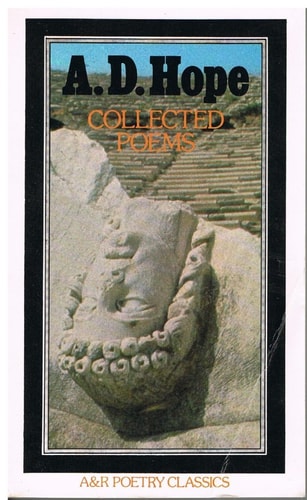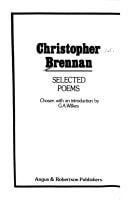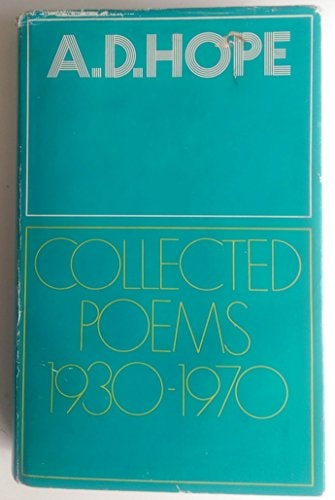
Collected poems, 1930-1970
0
0
As an Amazon Associate and affiliate partner, Menrva Books earns from qualifying purchases. Learn more
Author Description
We assume that we can attempt, and even achieve, to lead a life without emotion and feelings, and to not let them influence our decisions and choices. You find happiness in the simple things in life, in the people who you have fun with in the weekends, with the partner you find you begin to love. You crave what you heart desires and accept what you have. As long as two people can enable each other, they are gifted with this notion of love. You accept this life. But deep inside, you still crave for something special, something you could have been. What if you had the greatest honor any man could receive. You were chosen for the most amazing cause. It's origin, since the beginning of intelligent life but on understanding it, you realize it's basis is wrong. Would you change everything you believed in? Would you fight it? Would you be willing to make sacrifices? When you have lost everything, when you realize all hope is gone. Would you give up the final bit of it for the greater good?
Menrva's Summary
THE PULSE
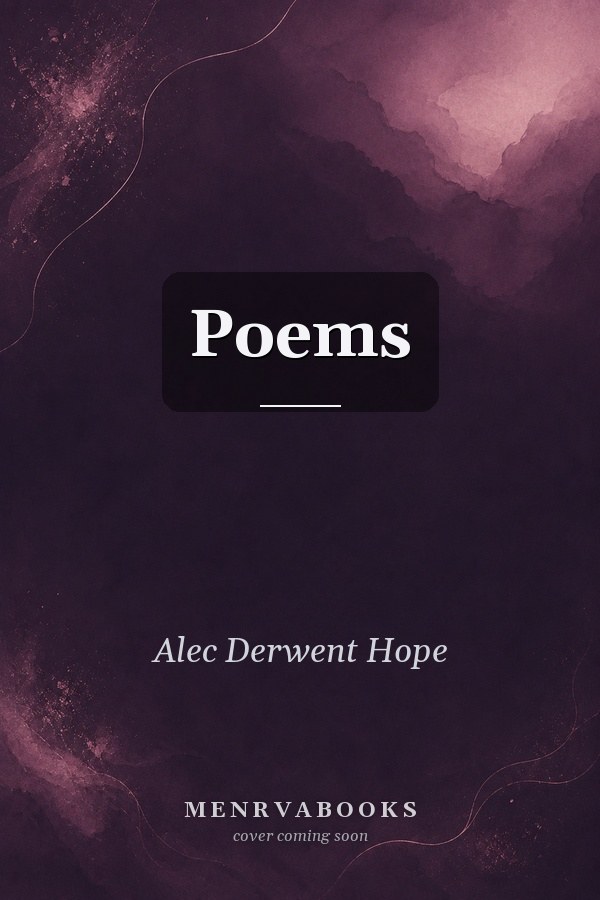
The central conflict arises from the tension between the rigid constraints of human reason and the untamable, often destructive nature of desire and myth. Hope positions the reader within a landscape where intellectual detachment clashes with visceral human experience, forcing a confrontation between the life one leads and the life one imagines. Through a variety of formal structures, the speaker navigates the dichotomy of societal expectation and the primal urge for transcendence. The narrative framework shifts between detached observation and intense, lyrical introspection, challenging the reader to reconcile the cold logic of existence with the warmth of human connection.
INSIDE THE PAGES
- Mastery of traditional verse forms including the heroic couplet and the sonnet
- Frequent integration of classical mythology and biblical allusion
- Satirical examination of contemporary social and intellectual norms
- Exploration of the duality between the physical body and the abstract mind
- Precise, rhythmic control that emphasizes the musicality of language
- Philosophical inquiry into the nature of love and human isolation
- Use of irony to subvert romanticized notions of human behavior
- Intellectual rigor applied to themes of mortality and the passage of time
THE COLLECTIVE ECHO
A. D. Hope is widely regarded as one of the most significant Australian poets of the twentieth century, noted for his technical precision and intellectual depth. Critics often highlight his ability to blend classical tradition with a sharp, modern sensibility that avoids sentimentality. Readers frequently observe that his work demands a high level of engagement, as he consistently interrogates the foundations of human belief and desire. The collection serves as a definitive record of his stylistic evolution, cementing his reputation as a master of formal verse who remained unafraid to challenge the status quo of his era.
Page Count:
300
Publication Date:
1972-01-01
Publisher:
Angus and Robertson
ISBN-10:
020712339X
ISBN-13:
9780207123399
Poetry
Australian
Modernism
Community Tags
Similar Books