The One Day of the Year
0
0
As an Amazon Associate and affiliate partner, Menrva Books earns from qualifying purchases. Learn more
Author Description
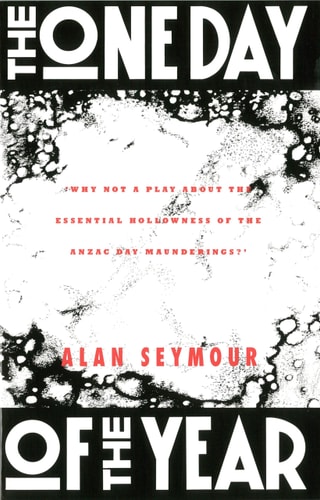
Undoubtedly one of Australia's favourite plays, the One Day of the Year explores the universal theme of father-son conflict against the background of the beery haze and the heady, nostalgic sentimentality of Anzac Day. It is a play to make us question a standard institution - Anzac Day, the sacred cow among Australian annual celebrations - but it is the likeability and genuineness of the characters that give the play its memorable qualities: Alf, the nobody who becomes a somebody on this day of days; Mum, the anchor of the family; Hughie, their son, with all the uncertainties and rebelliousness of youth; and Wacka, the Anzac, with his simple, healing wisdom.
Menrva's Summary
THE PULSE
The play centers on the volatile clash between a working-class father and his university-educated son during the emotionally charged atmosphere of Anzac Day. Alf Cook, a man who finds his only sense of pride and identity in the annual commemoration of war, faces direct opposition from his son, Hughie, who views the day as a hollow, jingoistic ritual. Set within the confines of a modest Australian household, the narrative unfolds through sharp dialogue that exposes the generational divide and the differing ways each man interprets national history. The play functions as a domestic drama, utilizing the tension of a single day to force a confrontation between traditional values and the shifting perspectives of a new generation.
INSIDE THE PAGES
- Exploration of the generational divide between post-war parents and their children
- Examination of Australian national identity and the cultural significance of Anzac Day
- Use of domestic realism to ground broader socio-political arguments
- Character-driven narrative focusing on the internal and external conflicts of the Cook family
- Integration of historical memory versus lived experience as a primary thematic driver
- Dialogue-heavy structure typical of mid-century stage plays
- Contrast between the cynical perspective of youth and the nostalgic sentimentality of the older generation
- The role of the 'silent witness' archetype represented by the character of Wacka
THE COLLECTIVE ECHO
This play remains a cornerstone of Australian dramatic literature, frequently studied for its unflinching look at the tensions inherent in national identity. Critics often highlight how the work manages to balance a critique of sacred institutions with a deeply human portrayal of a fractured family. The characters are frequently noted for their authenticity, which prevents the play from becoming a mere polemic on war or politics. Its enduring presence in school curricula and on stage suggests that the questions it poses about tradition and progress continue to resonate with contemporary audiences. The work is widely regarded as a significant contribution to the mid-twentieth-century canon of Australian theatre.
Page Count:
107
Publication Date:
1993-01-01
Publisher:
Angus & Robertson
ISBN-10:
0207133301
ISBN-13:
9780207133305
Drama
Australian
Plays
Family
Theatre
Social Commentary
Community Tags
Similar Books