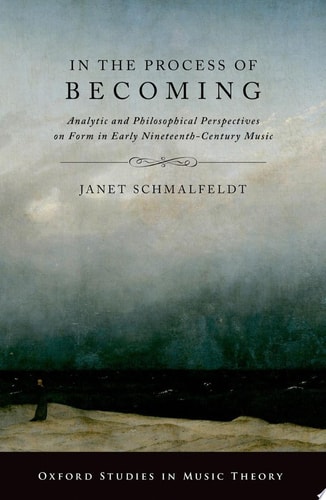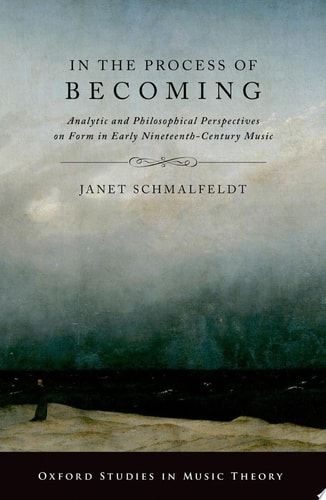
In the Process of Becoming
0
0
As an Amazon Associate and affiliate partner, Menrva Books earns from qualifying purchases. Learn more
Author Description
With Their Insistence That Form Is A Dialectical Process In The Music Of Beethoven, Theodor Adorno And Carl Dahlhaus Emerge As The Guardians Of A Long-standing Critical Tradition In Which Hegelian Concepts Have Been Brought To Bear On The Question Of Musical Form. Janet Schmalfeldt's Ground-breaking Account Of The Development Of This Beethoven-hegelian Tradition Restores To The Term Form Some Of Its Philosophical Associations In The Early Nineteenth Century, When Profound Cultural Changes Were Yielding New Relationships Between Composers And Their Listeners, And When Music Itself-in Particular, Instrumental Music-became A Topic For Renewed Philosophical Investigation. Precedents For Adorno's And Dahlhaus's Concept Of Form As Process Arise In The Athenäum Fragments Of Friedrich Schlegel And In The Encyclopaedia Logic Of Hegel. The Metaphor Common To All These Sources Is The Notion Of Becoming; It Is The Idea Of Form Coming Into Being That This Study Explores In Respect To Music By Beethoven, Schubert, Mendelssohn, Chopin, And Schumann. A Critical Assessment Of Dahlhaus's Preoccupation With The Opening Of Beethoven's Tempest Sonata Serves As The Author's Starting Point For The Translation Of Philosophical Ideas Into Music-analytical Terms-ones That Encourage Listening Both Forward And Backward, As Adorno Has Recommended. Thanks To The Ever-growing Familiarity Of Late Eighteenth-century Audiences With Formal Conventions, Composers Could Increasingly Trust That Performers And Listeners Would Be Responsive To Striking Formal Transformations. The Author's Analytic Method Strives To Capture The Dynamic, Quasi-narrative Nature Of Such Transformations, Rather Than Only Their End Results. This Experiential Approach To The Perception Of Form Invites Listeners And Especially Performers To Participate In The Interpretation Of Processes By Which, For Example, A Brooding Introduction-like Opening Must Inevitably Become The Essential Main Theme In Schubert's Sonata, Op. 42, Or In W
Menrva's Summary
THE THESIS
This study investigates the concept of musical form as a dialectical process, specifically exploring how the philosophical notion of 'becoming' informs the analysis of nineteenth-century instrumental music. Janet Schmalfeldt, a distinguished music theorist, synthesizes the intellectual traditions of Theodor Adorno and Carl Dahlhaus with Hegelian and Schlegelian philosophy. By bridging the gap between abstract philosophical inquiry and practical music analysis, the author provides a framework for understanding how formal conventions in the works of composers like Beethoven and Schubert function as dynamic, evolving narratives rather than static structures.
THE SCOPE MAP
What You Will Find
- A historical examination of the Beethoven-Hegelian tradition in music criticism.
- An analytical methodology focused on 'becoming' to interpret formal transformations.
- Comparative studies of works by Beethoven, Schubert, Mendelssohn, Chopin, and Schumann.
Scope Limits
- The text does not provide a comprehensive survey of all nineteenth-century composers.
- It does not offer a general history of music theory but focuses specifically on the dialectical process of form.
THE AUTHORITY PERSPECTIVE
Scholars and music theorists frequently cite this work as a significant contribution to the intersection of philosophy and musicology. Readers often note the high level of academic density, making it a specialized resource for advanced students and professionals in the field of music analysis.
Page Count:
344
Publication Date:
2017-01-01
Publisher:
Oxford University Press
ISBN-10:
0190656115
ISBN-13:
9780190656119
Philosophy
Music Analysis
Musicology
Music theory
Beethoven
Community Tags
Similar Books