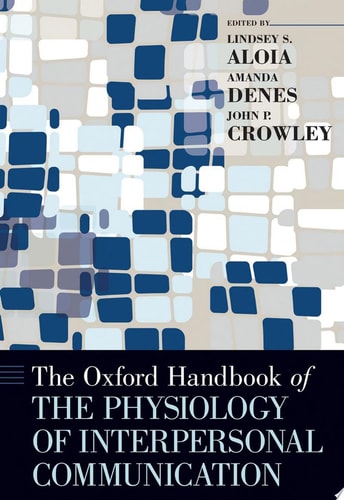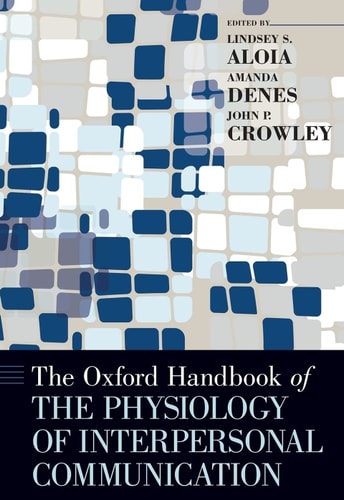
The Oxford Handbook of the Physiology of Interpersonal Communication
0
0
As an Amazon Associate and affiliate partner, Menrva Books earns from qualifying purchases. Learn more
Author Description
Communication scholars have long recognized the importance of understanding associations between our bodies and communication messages and processes. In the past decade, there has been an increased focus on the role of physiology in interpersonal interactions, resulting in a surge of research exploring topics related to communication in close relationships. This growing line of research explores topics such as affectionate communication, forgiveness, communication apprehension, and social support. Contributing to the increase in physiological research on communication processes is a greater recognition of the bi-directional nature of the associations between communication and the body. Researchers study both the physiological outcomes of communication episodes (e.g., stress responses to conflict conversations), as well as the effects of physiology on communication process (e.g., the influence of hormones on post-sex communication).The Oxford Handbook of the Physiology of Interpersonal Communication offers a comprehensive review of the most prolific areas of research investigating both the physiological outcomes of interpersonal communication and the effects of physiology on interpersonal interactions. This volume brings together thirty-three leading scholars in the field and draws on research from communication studies, physiology, psychology, and neuroscience. Based on quantitative research methods, the Handbook serves as a resource for both researchers and students interested in investigating the mutual influence of physiology and communication in close relationships.
Menrva's Summary
THE THESIS
This volume investigates the bi-directional relationship between human physiological processes and interpersonal communication dynamics. Edited by Amanda Denes, John P. Crowley, and Lindsey Aloia, the text synthesizes research from communication studies, psychology, and neuroscience to establish a framework for understanding how biological states influence social interaction and how communication episodes trigger physiological responses. The contributors utilize quantitative methodology to map the intersection of hormonal, neurological, and behavioral data within the context of close relationships.
THE SCOPE MAP
What You Will Find
- Analysis of physiological outcomes resulting from conflict and social support interactions
- Examination of hormonal influences on post-interaction behaviors
- Research on communication apprehension and affectionate communication
- Integration of cross-disciplinary data from neuroscience and psychology
Scope Limits
- Does not cover non-quantitative or purely qualitative communication theories
- Excludes broad sociological communication patterns not linked to specific physiological markers
THE AUTHORITY PERSPECTIVE
Experts identify this volume as a primary resource for scholars and graduate students seeking to integrate biological metrics into communication research. Readers frequently note the academic density of the prose and the rigorous methodological focus of the included studies.
Page Count:
372
Publication Date:
2020-01-01
Publisher:
Oxford University Press
ISBN-10:
0190679468
ISBN-13:
9780190679460
Psychology
Communication Studies
Interpersonal Relationships
Neuroscience
Physiology