Pygmalion: A Romance in Five Acts
0
0
As an Amazon Associate and affiliate partner, Menrva Books earns from qualifying purchases. Learn more
Author Description
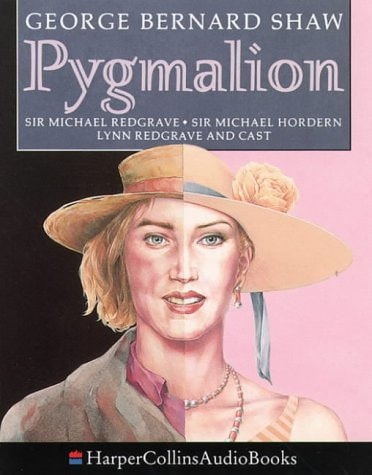
Pygmalion is a play by George Bernard Shaw, named after a Greek mythological figure. It was first presented on stage to the public in 1913.
Menrva's Summary
THE PULSE
A phonetics professor wagers he can transform a common flower girl into a refined lady of high society through rigorous linguistic training. Henry Higgins, a brilliant but arrogant linguist, treats Eliza Doolittle as a mere experiment to prove his theories on social mobility through speech. Eliza, however, possesses her own agency and aspirations, leading to a clash of wills that challenges the rigid class structures of Edwardian England. The narrative unfolds through sharp, witty dialogue that exposes the artifice of social status and the complexities of human identity.
INSIDE THE PAGES
- Five-act dramatic structure
- Satirical critique of the British class system
- Focus on phonetics and the power of language
- Exploration of gender dynamics and independence
- Sharp, intellectual wit and repartee
- Transformation arc of the protagonist
- Edwardian London setting
- Philosophical commentary on human nature
THE COLLECTIVE ECHO
This play remains a cornerstone of twentieth-century drama, frequently analyzed for its biting social commentary and its subversion of the traditional romantic narrative. Critics often highlight Shaw's ability to balance comedic situations with serious questions regarding the treatment of women and the rigidity of social hierarchies. Readers and audiences consistently engage with the tension between Higgins's intellectual detachment and Eliza's evolving self-awareness. The work continues to be studied for its linguistic precision and its enduring relevance to discussions about class and personal autonomy.
Page Count:
148
Publication Date:
1989-01-01
Publisher:
Penguin Books
ISBN-10:
0002090376
ISBN-13:
9780002090377
Drama
Satire
Social Commentary
classic
Plays
Comedy
Community Tags
Similar Books