Wind in the Reeds
0
0
As an Amazon Associate and affiliate partner, Menrva Books earns from qualifying purchases. Learn more
Author Description
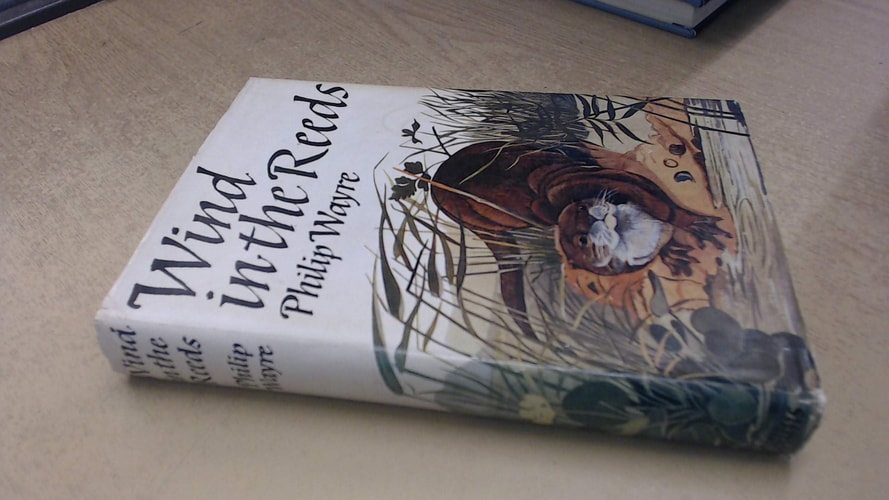
How do you persuade a heron to swallow an eel in front of your camera, train a golden eagle to kill, or prevent a bear from committing suicide? All his life Philip Wayre has had to solve the peculiar problems set him by the birds and animals he has watched, trained, photographed and lived with.As a boy he took a sparrow-hawk from its nest and taught it to fly to the lure. Ever since, training a bird of prey has been a challenge - whether it is a gyr falcon, an eagle owl or his golden eagle, Bokhara. A passionate photographer, he is prepared to spend weeks crouched in a reed bed to film the private life of an otter, a coypu or a bittern, with the result that he has made one of the most successful nature films since the war; it is fascinating how each phase was pieced together. But some of the most entertaining, and valuable, passages in this book are about the keeping of animals and on returning them to the wild. A collection that began many years ago with one brent goose has grown into Britain's first Wildlife Park, visited by a quarter of a million people in a year and inhabited by foxes and badgers, otters and deer, eagles and a sun bear, Pooh.Wind in the Reeds is written with warmth and humour by a naturalist of outstanding ability. It includes many original observations and is illustrated with the author's own photographs.Cover design by Humphrey Price-Jones
Menrva's Summary
THE THESIS
This work investigates the practical challenges and ethical considerations inherent in the close observation, training, and conservation of wild animals. Philip Wayre, a dedicated naturalist and founder of Britain's first wildlife park, draws upon decades of personal experience to document his interactions with diverse species. Through a series of anecdotal accounts, he explores the technical difficulties of wildlife photography and the complex responsibilities involved in rehabilitating animals for return to their natural habitats.
THE SCOPE MAP
What You Will Find
- Detailed methodologies for training birds of prey, including gyr falcons and golden eagles.
- Technical insights into wildlife photography, specifically the patience required for filming elusive species in reed beds.
- Case studies on the rehabilitation and management of various animals, from otters to sun bears.
- Historical context regarding the establishment and operation of Britain's first wildlife park.
THE AUTHORITY PERSPECTIVE
The text provides a candid, first-hand account of mid-century wildlife management that emphasizes the practical realities of working with undomesticated species. Its focus on the intersection of conservation and public education offers a clear look at the author's pioneering efforts in the field.
Page Count:
255
Publication Date:
1968-01-01
Publisher:
Collins
ISBN-10:
0002119072
ISBN-13:
9780002119078
Nature
Animals
Biography
Photography
Memoir
Subjects
Wildlife conservation
Community Tags
Similar Books