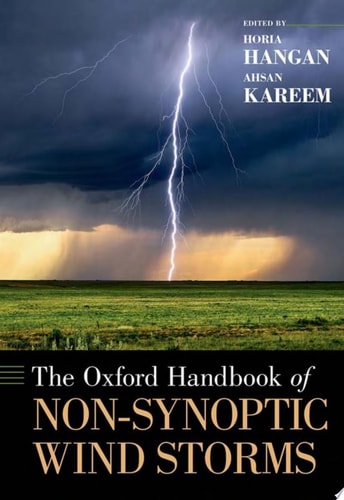
The Oxford Handbook of Non-Synoptic Wind Storms
0
0
As an Amazon Associate and affiliate partner, Menrva Books earns from qualifying purchases. Learn more
Author Description
In different areas of the world, much of the damage due to wind is caused by non-synoptic, local wind storm events, such as tornadoes and downbursts. In North America the damage due to these winds is more than 65% of total wind damage, and there are no guidelines or code implementations to deal with such catastrophic events. As we enter the third decade of the twenty-first century, current research is in its first phase of addressing these types of events, from their characterization, simulation, and loading, to collapse-mode effects on buildings and structures, as well as socioeconomic implications. The need is clear to better understand non-synoptic local winds; properly simulate them; assess the difference in loading between these events and synoptic large-scale winds that have been part of the wind engineering practice for more than five decades; determine their statistics and associated risks; and apply this through guidelines, codes, risk mitigation, and adaptation responses to socioeconomic impact.The Oxford Handbook of Non-Synoptic Wind Storms, led by Dr. Horia Hangan and Dr. Ahsan Kareem, features nearly 30 chapters, contributed by an international panel of leading scientists, scholars, and engineers, that address these issues and stimulate thought, research, and responses to non-synoptic wind storm hazards in North America and worldwide. Together, these articles provide clear definitions of the problems to be tackled, offer a strategic framework for forward-looking research, identify the best-suited tools and methodologies to address the problems at hand, and suggest ways to maximize collaborative planning between the disciplines that will tackle these challenges.
Menrva's Summary
THE THESIS
This volume investigates the characterization, simulation, and structural impact of non-synoptic wind storms, which account for a significant majority of wind-related damage in North America. Editors Ahsan Kareem and Horia Hangan, both prominent figures in wind engineering, compile research from an international panel of experts to address the current lack of standardized guidelines for these localized, high-intensity events. The text establishes a strategic framework for future research, aiming to bridge the gap between existing synoptic wind engineering practices and the specific demands of non-synoptic hazards.
THE SCOPE MAP
What You Will Find
- Analysis of non-synoptic events including tornadoes and downbursts
- Methodologies for structural loading assessment and collapse-mode modeling
- Socioeconomic impact studies and risk mitigation strategies
- Strategic research frameworks for interdisciplinary collaboration
Scope Limits
- Does not provide finalized building codes or legal regulatory standards
- Focuses primarily on engineering and physical characterization rather than meteorological forecasting alone
THE AUTHORITY PERSPECTIVE
Experts identify this work as a foundational reference for structural engineers and atmospheric scientists seeking to modernize wind hazard mitigation. Readers frequently note the technical density of the prose, which is intended for professionals and researchers in the field of wind engineering.
Page Count:
648
Publication Date:
2021-08-31
Publisher:
Oxford University Press
ISBN-10:
0190670258
ISBN-13:
9780190670252
Science
Reference
Engineering
Meteorology
Civil Engineering
Community Tags
Similar Books