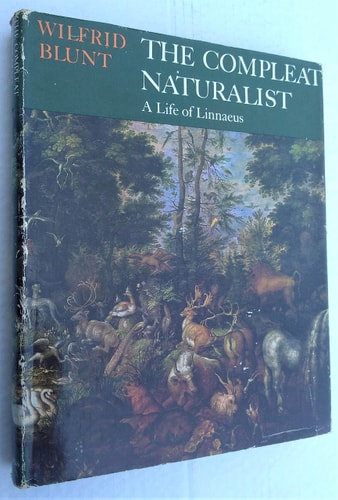
The Compleat Naturalist: A Life of Linnaeus
0
0
As an Amazon Associate and affiliate partner, Menrva Books earns from qualifying purchases. Learn more
Author Description
Carl Linnaeus (1707-78) invented the system, now used worldwide, of giving living organisms two Latin names and through his Systema Naturae, published in 1735, brought order to all recorded knowledge about plants and animals. This book charts Linnaeus's rise from poor student at Lund University in Sweden, to Professor of Medicine at Uppsala and founder of the Royal Academy of Sciences. A keen traveller, scientist, collector, painter and geologist, his lifelong passion was for botany. In the course of his life, he distinguished and named 9000 plants, 828 shells, 2100 insects and 477 fish. This is a lively and readable account of Linnaeus the man, his adventures in the wilds of Lapland, his family life and his relations with his pupils, as well as his epoch-making scientific achievements.
Menrva's Summary
THE THESIS
This biography investigates the life and scientific contributions of Carl Linnaeus, the Swedish naturalist who revolutionized biological classification. Wilfrid Blunt utilizes historical records and personal correspondence to trace Linnaeus's trajectory from a struggling student to a preeminent figure in 18th-century science. The narrative examines how his systematic approach to naming organisms provided a foundational framework for modern taxonomy while detailing his personal experiences as a traveler and academic.
THE SCOPE MAP
What You Will Find
- A detailed account of Linnaeus's development of the binomial nomenclature system.
- Biographical insights into his academic career at Uppsala and his role in the Royal Academy of Sciences.
- Descriptions of his scientific expeditions, particularly his formative travels through Lapland.
- An overview of his extensive cataloging of plant, insect, and marine species.
THE AUTHORITY PERSPECTIVE
This work is regarded as a comprehensive and accessible introduction to the life of a central figure in natural history. The text balances technical scientific achievements with the human elements of Linnaeus's personal life and professional relationships.
Page Count:
256
Publication Date:
1971-01-01
Publisher:
Collins
ISBN-10:
000211142X
ISBN-13:
9780002111423
Biography
History
Science
Natural History
Botany
Community Tags
Similar Books