Little Cold Warriors
0
0
As an Amazon Associate and affiliate partner, Menrva Books earns from qualifying purchases. Learn more
Author Description
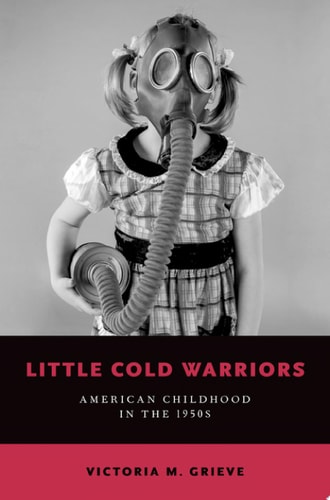
Both Conservative And Liberal Baby Boomers Have Romanticized The 1950s As An Age Of Innocence--of Pickup Ball Games And Howdy Doody, When Mom Stayed Home And The Economy Boomed. These Nostalgic Narratives Obscure Many Other Histories Of Postwar Childhood, One Of Which Has More In Common With The War Years And The Sixties, When Children Were Mobilized And Politicized By The U.s. Government, Private Corporations, And Individual Adults To Fight The Cold War Both At Home And Abroad. Children Battled Communism In Its Various Guises On Television, The Movies, And Comic Books; They Practiced Safety Drills, Joined Civil Preparedness Groups, And Helped To Build And Stock Bomb Shelters In The Backyard. Children Collected Coins For Unicef, Exchanged Art With Other Children Around The World, Prepared For Nuclear War Through The Boy And Girl Scouts, Raised Funds For Radio Free Europe, Sent Clothing To Refugee Children, And Donated Books To Restock The Diminished Library Shelves Of War-torn Europe. Rather Than Rationing And Saving, American Children Were Encouraged To Spend And Consume In Order To Maintain The Engine Of American Prosperity. In These Capacities, American Children Functioned As Ambassadors, Cultural Diplomats, And Representatives Of The United States. Victoria M. Grieve Examines This Politicized Childhood At The Peak Of The Cold War, And The Many Ways Children And Ideas About Childhood Were Pressed Into Political Service. Little Cold Warriors Combines Approaches From Childhood Studies And Diplomatic History To Understand The Cultural Cold War Through The Activities And Experiences Of Young Americans.
Menrva's Summary
THE THESIS
This book investigates how the United States government, private entities, and individual adults mobilized and politicized American children to serve as active participants in the Cold War. Victoria M. Grieve, a historian specializing in the cultural history of the United States, utilizes a synthesis of childhood studies and diplomatic history to challenge the romanticized narrative of the 1950s as an era of domestic innocence. She argues that children were not merely passive observers but were actively recruited as cultural diplomats and political agents to combat communism and sustain American economic prosperity.
THE SCOPE MAP
What You Will Find
- Analysis of children's participation in civil preparedness, including safety drills and bomb shelter construction.
- Examination of media influence through television, movies, and comic books as tools for anti-communist indoctrination.
- Documentation of philanthropic activities such as UNICEF fundraising and international book donations.
- Exploration of the role of youth organizations like the Boy and Girl Scouts in national security efforts.
Scope Limits
- The study focuses primarily on the American experience and does not provide an exhaustive global comparison of childhood mobilization in other nations.
- The text prioritizes cultural and political history over a comprehensive economic analysis of the postwar period.
THE AUTHORITY PERSPECTIVE
Historians and scholars of American culture frequently cite this work for its innovative integration of childhood studies with traditional diplomatic history. Experts highlight the text as a significant contribution to understanding how political ideologies permeated the daily lives and social structures of postwar American youth.
Page Count:
288
Publication Date:
2018-01-01
Publisher:
Oxford University Press
ISBN-10:
0190675691
ISBN-13:
9780190675691
History
Social History
Childhood Studies
Cold War
Cultural History
American History
Community Tags
Similar Books