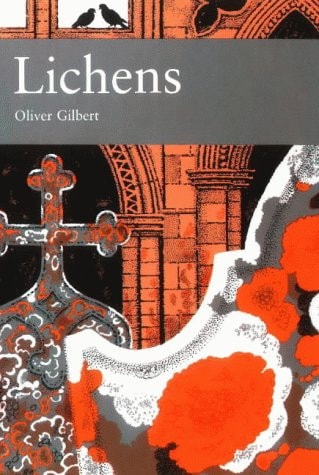
Lichens: The New Naturalist
0
0
As an Amazon Associate and affiliate partner, Menrva Books earns from qualifying purchases. Learn more
Author Description
Lichens are fascinating and beautiful organisms able to colonise a vast range of habitats, including seemingly impossible places such as bare icy mountain tops and sun-scorched coastal rocks. This book discusses all aspects of British lichens, revealing the secrets of their success. The book begins by looking at how lichens have been used throughout history in medicines, dyes, food and perfumes. It then goes on to describe what lichens are, and how they grow and reproduce. A detailed survey is given of the range of habitats in which lichens can be on trees, rocks, heaths and moors, chalk and limestone, mountains, rivers, lakes, the coast, walls and buildings, most famously on churches and in churchyards. Gilbert also discusses the susceptibility of lichens to air pollution, and how they can be used to detect environmental pollution. The comprehensive, reader-friendly text, over 150 illustrations and 16 pages of colour, combine to make Lichens the definitive work on this subject of great natural history interest.
Menrva's Summary
THE THESIS
This work investigates the biological resilience and ecological significance of lichens within the British landscape, exploring how these organisms thrive in extreme environments and serve as indicators of environmental health. Oliver Gilbert, a respected authority in lichenology, synthesizes decades of field observation and scientific research to explain the complex symbiotic nature of lichens. The text provides a comprehensive overview of their physiological mechanisms, historical utility, and their specific distribution across diverse British habitats. By linking biological growth patterns to environmental variables, the author establishes a framework for understanding how lichens function as both survivors and bio-monitors.
THE SCOPE MAP
What You Will Find
- Historical applications of lichens in medicine, dyes, food, and perfumery.
- Detailed biological analysis of lichen growth, reproduction, and symbiotic structure.
- Extensive habitat surveys covering trees, rocks, moorlands, and urban structures like churchyards.
- Analysis of lichen sensitivity to air pollution and their utility as environmental indicators.
THE AUTHORITY PERSPECTIVE
The text is widely regarded as a definitive, authoritative reference for both amateur naturalists and professional biologists interested in British lichenology. Its combination of rigorous scientific detail and accessible prose makes it a standard resource for understanding the ecological role of these organisms.
Page Count:
288
Publication Date:
2000-01-01
Publisher:
Harpercollins Pub Ltd
ISBN-10:
0002200813
ISBN-13:
9780002200813
Science
Nature
Natural History
Ecology
Lichens
Biology
Botany
Community Tags
Similar Books