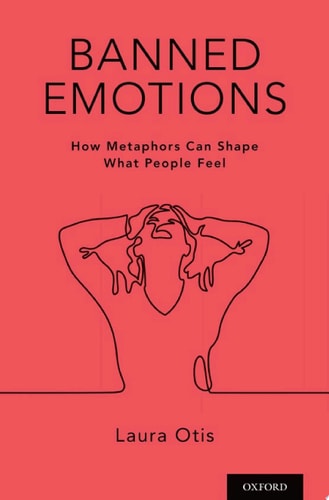
Banned Emotions: How Metaphors Can Shape What People Feel
0
0
As an Amazon Associate and affiliate partner, Menrva Books earns from qualifying purchases. Learn more
Author Description
Who benefits and who loses when emotions are described in particular ways? How do metaphors such as "hold on" and "let go" affect people's emotional experiences? Banned Emotions, written by neuroscientist-turned-literary scholar Laura Otis, draws on the latest research in neuroscience and psychology to challenge popular attempts to suppress certain emotions. This interdisciplinary book breaks taboos by exploring emotions in which people are said to "indulge": self-pity, prolonged crying, chronic anger, grudge-bearing, bitterness, and spite. By focusing on metaphors for these emotions in classic novels, self-help books, and popular films, Banned Emotions exposes their cultural and religious roots.Examining works by Dante, Dickens, Dostoevsky, Kafka, Forster, and Woolf in parallel with Bridesmaids, Fatal Attraction, and Who Moved My Cheese?, Banned Emotions traces pervasive patterns in the ways emotions are represented that can make people so ashamed of their feelings, they may stifle emotions they need to work through. The book argues that emotion regulation is a political as well as a biological issue, affecting not only which emotions can be expressed, but who can express them, when, and how.
Menrva's Summary
THE THESIS
This book investigates how the metaphors used to describe specific emotions function as tools of social and political control, ultimately shaping individual emotional experiences. Laura Otis, a neuroscientist and literary scholar, synthesizes research from neuroscience and psychology with literary analysis to argue that emotion regulation is not merely a biological process but a political one. By examining how society labels certain feelings as forbidden or indulgent, she demonstrates how these cultural frameworks can prevent individuals from processing necessary emotional states.
THE SCOPE MAP
What You Will Find
- Analysis of metaphors for self-pity, crying, anger, and spite
- Comparative study of classic literature alongside modern self-help and film
- Examination of the political and religious roots of emotional suppression
Scope Limits
- The text does not provide a clinical guide for individual emotional therapy
- It does not cover non-Western cultural perspectives on emotional regulation
THE AUTHORITY PERSPECTIVE
Experts recognize this work as a bridge between cognitive science and the humanities, noting its interdisciplinary approach to emotional discourse. Readers frequently highlight the accessibility of the prose despite the academic depth of the research presented.
Page Count:
200
Publication Date:
2019-01-01
Publisher:
Oxford University Press
ISBN-10:
0190698926
ISBN-13:
9780190698928
Psychology
Non-Fiction
Metaphor
Neuroscience
Sociology
English
English & College Success
Literary Criticism
Community Tags
Similar Books