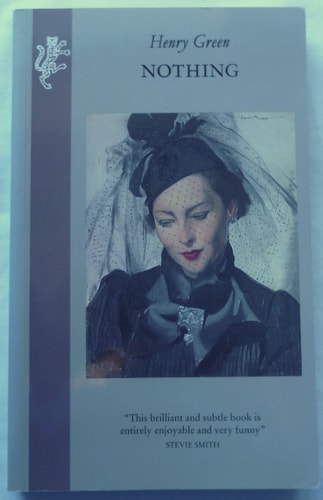
Nothing
0
0
As an Amazon Associate and affiliate partner, Menrva Books earns from qualifying purchases. Learn more
Author Description
Years after having an affair that almost ruined their respective marriages, Jane Weatherby and John Pomfret are reunited when their children decide to get married despite questions regarding their possible kinship and the fact that they have almost no money to their name. Afraid that Mary Pomfret and Philip Weatherby are destined for the working-class, Jane and John attempt to stall the development of the wedding plans by having endless conversations about, well, nothing. This gives Jane--a shrewd, resourceful widow--the opportunity to embark on a scheme to lure John away from his current love interest. As the plot advances through discussions filled with misdirections and omissions, Green demonstrates that there is nothing like the spoken word to conceal one's true intentions. One of Green's final novels, "Nothing" is a worthy addition to the varied tradition of English literature that includes Virginia Woolf and Evelyn Waugh.
Menrva's Summary
THE PULSE
When their children announce an impending marriage, two former lovers must navigate a web of social maneuvering and verbal obfuscation to protect their own interests. Jane Weatherby and John Pomfret, once entangled in a scandalous affair, find themselves reunited by the prospect of their children's union. Facing the threat of their children's poverty and potential kinship, the pair engages in a series of circular, evasive conversations designed to stall the wedding. The narrative unfolds through these dialogues, where the characters use language not to communicate, but to obscure their true motives and manipulate the social landscape.
INSIDE THE PAGES
- Heavy reliance on dialogue-driven narrative structure
- Satirical examination of upper-middle-class social conventions
- Use of verbal misdirection as a primary plot device
- Exploration of the tension between public reputation and private desire
- Character-focused study of manipulation and resourcefulness
- Minimalist plot progression centered on social stalling tactics
- Stylistic echoes of modernist and mid-century British social satire
- Focus on the performative nature of polite conversation
THE COLLECTIVE ECHO
This novel is frequently analyzed for its sharp, minimalist approach to the comedy of manners genre. Critics often highlight the author's ability to weaponize mundane conversation, turning small talk into a tool for psychological warfare. The work is viewed as a sophisticated exercise in restraint, where the most significant actions occur beneath the surface of the spoken word. Readers familiar with the tradition of British social satire will find the stylistic parallels to Woolf and Waugh to be both intentional and effective in their execution.
Page Count:
203
Publication Date:
1992-01-01
Publisher:
Harvill
ISBN-10:
0002711451
ISBN-13:
9780002711456
Fiction
Satire
Social Commentary
Fiction
Comedy of Manners
British literature
Community Tags
Similar Books