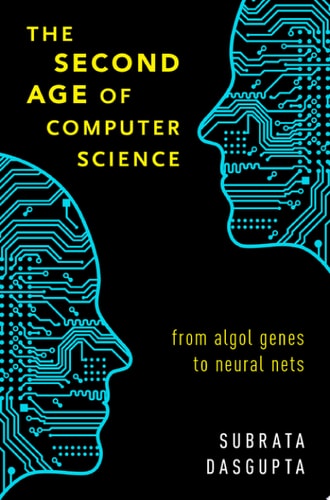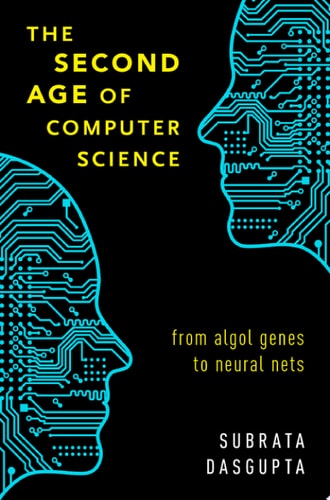
The Second Age of Computer Science
0
0
As an Amazon Associate and affiliate partner, Menrva Books earns from qualifying purchases. Learn more
Author Description
By The End Of The 1960s, A New Discipline Named Computer Science Had Come Into Being. A New Scientific Paradigm--the 'computational Paradigm'--was In Place, Suggesting That Computer Science Had Reached A Certain Level Of Maturity. Yet As A Science It Was Still Precociously Young. New Forces, Some Technological, Some Socio-economic, Some Cognitive Impinged Upon It, The Outcome Of Which Was That New Kinds Of Computational Problems Arose Over The Next Two Decades. Indeed, By The Beginning Of The 1990's The Structure Of The Computational Paradigm Looked Markedly Different In Many Important Respects From How It Was At The End Of The 1960s. Author Subrata Dasgupta Named The Two Decades From 1970 To 1990 As The Second Age Of Computer Science To Distinguish It From The Preceding Genesis Of The Science And The Age Of The Internet/world Wide Web That Followed. This Book Describes The Evolution Of Computer Science In This Second Age In The Form Of Seven Overlapping, Intermingling, Parallel Histories That Unfold Concurrently In The Course Of The Two Decades. Certain Themes Characteristic Of This Second Age Thread Through This Narrative: The Desire For A Genuine Science Of Computing; The Realization That Computing Is As Much A Human Experience As It Is A Technological One; The Search For A Unified Theory Of Intelligence Spanning Machines And Mind; The Desire To Liberate The Computational Mind From The Shackles Of Sequentiality; And, Most Ambitiously, A Quest To Subvert The Very Core Of The Computational Paradigm Itself. We See How The Computer Scientists Of The Second Age Address These Desires And Challenges, In What Manner They Succeed Or Fail And How, Along The Way, The Shape Of Computational Paradigm Was Altered. And To Complete This History, The Author Asks And Seeks To Answer The Question Of How Computer Science Shows Evidence Of Progress Over The Course Of Its Second Age.
Menrva's Summary
THE THESIS
This book investigates how the field of computer science evolved and transformed during the critical two-decade period between 1970 and 1990. Subrata Dasgupta, a scholar of the history and philosophy of computing, utilizes a multi-threaded historical framework to analyze the shift from the initial genesis of the discipline to the subsequent era of the internet. He argues that this period, termed the 'Second Age,' was defined by a fundamental restructuring of the computational paradigm driven by technological, socio-economic, and cognitive forces.
THE SCOPE MAP
What You Will Find
- A historical analysis of the years 1970 through 1990 in computing.
- Seven overlapping, parallel histories detailing the evolution of the field.
- Examination of themes including the search for a unified theory of intelligence and the move away from sequential processing.
Scope Limits
- The text does not cover the early foundational genesis of computer science prior to 1970.
- The narrative does not extend into the subsequent Age of the Internet and the World Wide Web.
THE AUTHORITY PERSPECTIVE
Experts recognize this work as a significant contribution to the historiography of computer science, noting its unique structure of parallel, intermingling narratives. Readers frequently highlight the academic density of the prose and the author's ability to synthesize complex technical shifts into a coherent historical argument.
Page Count:
344
Publication Date:
2018-01-01
Publisher:
Oxford University Press
ISBN-10:
019084387X
ISBN-13:
9780190843878
Non-Fiction
computing
Technology history
Science History
Computer Science
Community Tags
Similar Books