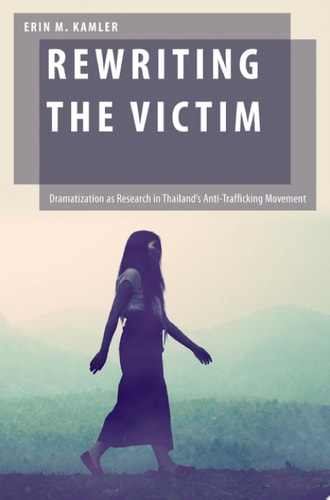
Rewriting the Victim
0
0
As an Amazon Associate and affiliate partner, Menrva Books earns from qualifying purchases. Learn more
Author Description
The International Movement Against The Trafficking Of Women, Which Has Gained Momentum Over The Past Two Decades, Is Driven Largely By The United States, In Tandem With State Governments And Ngo Workers. Feminist Organizations Have Played A Key Role In Carrying Out Anti-trafficking Policies, But Are Increasingly Divided Over What Those Policies Should Look Like. The Primary Divide Exists Between Those Feminists Who Want To Abolish Prostitution (as A Key Link To Trafficking) And Those Who Argue That What Sex Workers Need Is Not To Have Their Livelihoods Taken Away Through Paternalistic Policies, But Improved Working Conditions To Alleviate The Dangers Associated With Their Work. A Primary Criticism Of Us Ngo Workers, Well-intentioned As They May Be, Is That They Misunderstand The Cultural And Economic Conditions Of The Women They Purport To Help. This Book Provides A Unique Response To This Misunderstanding. On One Level It Shows How This Movement Is, In Fact, Based On A Western Mindset That Problematizes Women And Puts Its Own Interests Before Those Of The Women It Is Trying To Help. But The Project's Primary Innovation Is In The Method That It Develops To Explore The Conflict Of Cultural Values That Gives Rise To The Aforementioned Debates: What Erin M. Kamler Calls Dramatization As Research (dar). Through Writing And Producing Land Of Smiles, A Musical Inspired By Field Research That Includes Over Fifty Interviews With Female Migrant Laborers, Sex Workers, Activists, Ngo Employees, And Other Members Of The Anti-trafficking Movement, Kamler Presents One Of The Dominant Stories About Human Trafficking And Critiques The Discourse About The Trafficking Of Women In Thailand. The Book Examines How The Musical Aimed To Facilitate Communication Between Stakeholders In The Anti-trafficking Movement In Thailand And Prime A Dialogue To Explore The Policies, Practices, And Outcomes Of Actions In This Environment.
Menrva's Summary
THE THESIS
This book investigates the disconnect between Western-led anti-trafficking policies and the lived realities of women in Thailand, questioning the efficacy of paternalistic intervention. Erin M. Kamler, an academic and artist, utilizes her background in performance studies and field research to challenge the dominant narratives surrounding human trafficking. She argues that current international efforts often prioritize Western ideological agendas over the actual needs of migrant laborers and sex workers. By introducing the methodology of Dramatization as Research (DAR), the author provides a framework for analyzing how cultural values shape policy outcomes.
THE SCOPE MAP
What You Will Find
- A critical analysis of the international anti-trafficking movement and its reliance on Western-centric perspectives.
- The development and application of the Dramatization as Research (DAR) methodology.
- Qualitative data derived from over fifty interviews with sex workers, activists, and NGO employees in Thailand.
- An examination of the musical 'Land of Smiles' as a tool for stakeholder communication and policy critique.
Scope Limits
- The analysis is primarily focused on the specific context of the anti-trafficking movement in Thailand.
- The book does not provide a comprehensive global history of human trafficking legislation.
THE AUTHORITY PERSPECTIVE
Experts in the field of performance studies and sociology recognize this work as a significant contribution to the intersection of art-based research and human rights advocacy. Readers frequently note the academic density of the prose, which effectively bridges the gap between theatrical practice and critical policy analysis.
Page Count:
272
Publication Date:
2019-01-01
Publisher:
Oxford University Press
ISBN-10:
0190840102
ISBN-13:
9780190840105
Gender Studies
Sociology
Thailand
Human Trafficking
Human rights
Community Tags
Similar Books