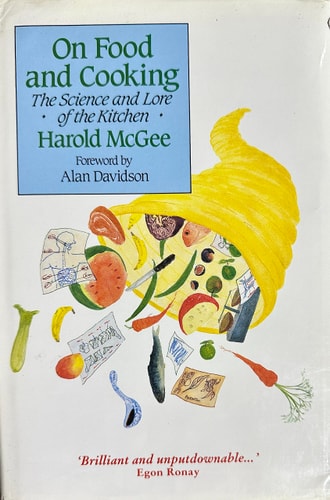
On Food and Cooking: The Science and Lore of the Kitchen
0
0
As an Amazon Associate and affiliate partner, Menrva Books earns from qualifying purchases. Learn more
Author Description
On Food and Cooking is a unique blend of culinary lore and scientific explanation that examines food -- its history, its make-up, and its behavior when we cook it, cool it, dice it, age it, or otherwise prepare it for eating. Generously spiced with historical and literary anecdote, it covers all the major food categories, from meat and potatoes to sauce béarnaise and champagne. Easy-to-understand scientific explanations throw light on such mysteries as why you can whip cream but not milk; what makes white meat white; whether searing really seals in flavor; how to tell stale eggs from fresh; why "fruits" ripen and "vegetables" don't; how to save a sauce; what hops do; and what happens when you knead dough. A chapter on nutrition reveals that Americans have been obsessed with their diet since the 1800s and exposes the fallacies behind food fads past and present. There's a section on additives -- a not-so-new addition to food -- and taste and smell, our two pleasure-giving versions of the oldest sense on earth. With more than 200 illustrations, including extraordinary photographs of food taken through the electron microscope, this book will delight and fascinate anyone who has ever cooked, savored, or wondered about food.
Menrva's Summary
THE THESIS
This work investigates the fundamental chemical and physical processes that govern food behavior, aiming to bridge the gap between traditional culinary lore and modern scientific understanding. Harold McGee, a scholar with a background in literature and physics, synthesizes historical anecdotes with rigorous scientific inquiry to explain why ingredients react the way they do under various preparation methods. The text serves as a comprehensive reference for the home cook and professional chef alike, demystifying common kitchen techniques through the lens of chemistry and biology.
THE SCOPE MAP
What You Will Find
- Detailed chemical analysis of major food groups including proteins, fats, carbohydrates, and fermentation agents.
- Historical context and cultural evolution of culinary practices from the 1800s to the present.
- Scientific explanations for common kitchen phenomena such as emulsification, protein coagulation, and starch gelatinization.
- Evidence-based debunking of common culinary myths and dietary fallacies.
THE AUTHORITY PERSPECTIVE
This text is widely regarded as the definitive reference for the science of cooking, frequently cited by professional chefs and food scientists for its depth and clarity. Its systematic approach to kitchen phenomena provides a foundational framework that remains relevant for anyone seeking to understand the mechanics of food preparation.
Page Count:
704
Publication Date:
1991-01-01
Publisher:
Harper Collins
ISBN-10:
0004126572
ISBN-13:
9780004126579
Science
Cooking
Education & Reference
Essays
Culinary History
Food Science
Reference
Community Tags
Similar Books