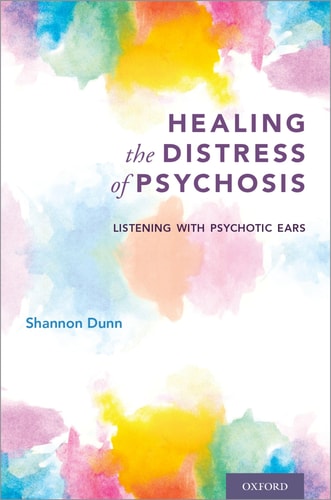
Healing the Distress of Psychosis: Listening with Psychotic Ears
0
0
As an Amazon Associate and affiliate partner, Menrva Books earns from qualifying purchases. Learn more
Author Description
Even among mental health clinicians, the communications of individuals experiencing psychosis have historically been considered mysterious, bizarre, and invalid. These judgmental, inaccurate interpretations and accusatory attitudes can cause iatrogenic trauma, a significant obstacle to recovery. Healing the Distress of Psychosis focuses on practice-based and evidence-informed interventions to effectively understand and communicate with people who are experiencing psychotic symptoms. The text thoughtfully describes: the experience of psychosis, as well as the unique intervention method of fostering the therapeutic relationship; and the psychotic thought process from neurological, linguistic, and existential-psychological perspectives. Mental health professionals, individuals with lived psychotic experiences, and their family members and loved ones will find this book to be a strong and accurate voice that highlights the past and present disappointments in mainstream public mental health treatment, while delivering hope in creating a secure, self-determined life.
Menrva's Summary
THE THESIS
How can mental health clinicians move beyond pathologizing psychosis to establish meaningful, healing communication with individuals experiencing these symptoms? Shannon Dunn, a practitioner in the field, argues that the historical tendency to dismiss psychotic speech as irrational creates iatrogenic trauma that hinders recovery. The book presents a framework for understanding the psychotic thought process through a synthesis of neurological, linguistic, and existential-psychological perspectives, advocating for a shift toward empathetic, evidence-informed intervention.
THE SCOPE MAP
What You Will Find
- Analysis of the psychotic thought process from neurological and linguistic viewpoints
- Methodologies for fostering therapeutic relationships with individuals in crisis
- Critiques of current mainstream public mental health treatment models
- Strategies for supporting self-determination in patients
Scope Limits
- Does not provide a comprehensive pharmacological guide for psychosis treatment
- Focuses primarily on communication and relational therapy rather than institutional policy reform
THE AUTHORITY PERSPECTIVE
Professionals and those with lived experience frequently cite this text as a necessary corrective to the dismissive attitudes often found in clinical settings. Experts highlight the book as a valuable resource for clinicians seeking to improve their bedside manner and therapeutic efficacy when working with complex psychotic presentations.
Page Count:
386
Publication Date:
2018-09-24
Publisher:
Oxford University Press
ISBN-10:
0190858753
ISBN-13:
9780190858759
Psychology
Medical
Psychoses
Mental Health
Psychotherapy
Clinical Psychiatry
Mental Illness
Community Tags
Similar Books