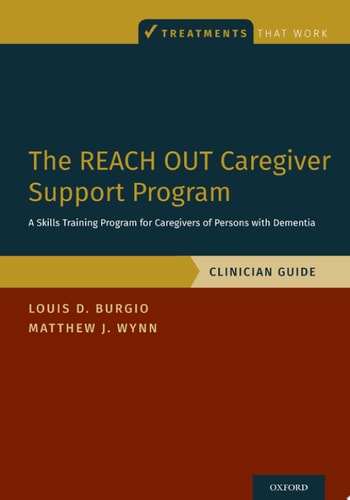
The REACH OUT Caregiver Support Program: A Skills Training Program for Caregivers of Persons with Dementia, Clinician Guide
0
0
As an Amazon Associate and affiliate partner, Menrva Books earns from qualifying purchases. Learn more
Author Description
Older adults increasingly rely on family members or friends (i.e., informal caregivers) for needed care and support as they age. Family caregivers typically assume their caregiving role willingly and reap personal fulfilment from helping a loved one, developing new skills, and strengthening family relationships. For these benefits, however, caregivers often sacrifice their own health and well-being. Depression, anxiety, poor physical health, and compromised immune function are more common among family caregivers than in adults not providing such care. The REACH OUT Caregiver Support Program offers a multi-component, tailored, and flexible intervention for caregivers of people with dementia that is focused on the evidence-based therapeutic strategy of problem solving. This practical volume is designed to guide clinicians through the process of implementing REACH OUT (Resources for Enhancing Alzheimer's Caregiver Health: Offering Useful Treatments) and to provide them with necessary tools to share with caregivers, with the goal of enhancing caregiver physical and mental health. Five common risk areas (home safety, caregiver health, social support, challenging behaviors, and emotional well-being) are described in the manual, and interventions are outlined that respect the nuances of each risk area. By beginning with an individualized risk assessment and being flexible to the needs and issues of the caregiver, the REACH OUT intervention helps clinicians identify risk areas and provides caregivers with tailored action plans to reduce risk and promote well-being.
Menrva's Summary
THE THESIS
This clinician guide investigates how a structured, problem-solving intervention can mitigate the physical and psychological health risks faced by informal caregivers of individuals with dementia. Authors Louis D. Burgio and Matthew J. Wynn, both experts in gerontology and behavioral health, present the REACH OUT program as a flexible, evidence-based framework. The manual argues that by identifying specific risk areas and implementing tailored action plans, clinicians can significantly improve the well-being of caregivers who are often at risk for depression, anxiety, and compromised physical health.
THE SCOPE MAP
What You Will Find
- A comprehensive implementation guide for the REACH OUT (Resources for Enhancing Alzheimer's Caregiver Health: Offering Useful Treatments) program.
- Structured assessment tools for five primary risk areas: home safety, caregiver health, social support, challenging behaviors, and emotional well-being.
- Evidence-based problem-solving strategies designed for clinical settings.
Scope Limits
- This manual is designed specifically for clinicians and professionals rather than for direct use by caregivers themselves.
- The intervention focuses primarily on dementia-related caregiving and may not be applicable to all types of informal caregiving scenarios.
THE AUTHORITY PERSPECTIVE
Clinicians and researchers frequently cite this manual as a practical, highly structured resource for addressing the specific needs of dementia caregivers. Experts highlight the program's flexibility and its reliance on evidence-based problem-solving as key factors in its clinical utility.
Page Count:
145
Publication Date:
2021-01-01
Publisher:
Oxford University Press
ISBN-10:
0190855967
ISBN-13:
9780190855963
Psychology
Gerontology
Psychotherapy
Allied Health
Medical
Health and Wellness
Caregiving
Dementia
Community Tags
Similar Books