The Ghost Road
0
0
As an Amazon Associate and affiliate partner, Menrva Books earns from qualifying purchases. Learn more
Author Description
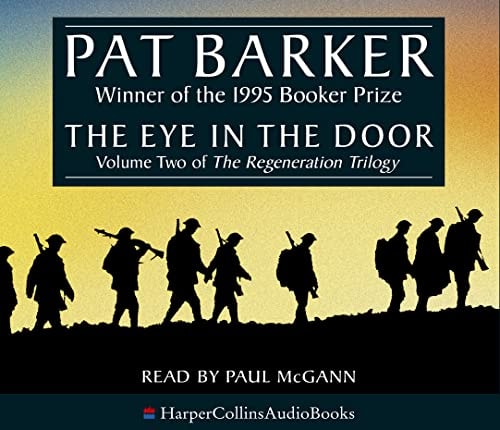
The final book in the Regeneration Trilogy and winner of the 1995 Booker Prize, The Ghost Road is the culminating masterpiece of Pat Barker's towering World War I fiction trilogy. The time of the novel is the closing months of the most senselessly savage of modern conflicts. In France, millions of men engaged in brutal trench warfare are all "ghosts in the making." In England, psychologist William Rivers, with severe pangs of conscience, treats the mental casualties of the war to make them whole enough to fight again. One of these, Billy Prior, risen to the officer class from the working class, both courageous and sardonic, decides to return to France with his fellow officer, poet Wilfred Owen, to fight a war he no longer believes in. Meanwhile, Rivers, enfevered by influenza returns in memory to his experience studying a South Pacific tribe whose ethos amounted to a culture of death. Across the gulf between his society and theirs, Rivers begins to form connections that cast new light on his--and our--understanding of war. Combining poetic intensity with gritty realism, blending biting humor with tragic drama, moving toward a denouement as inevitable as it is devastating, The Ghost Road both encapsulates history and transcends it. It is a modern masterpiece.
Menrva's Summary
THE PULSE
As the First World War nears its conclusion, Billy Prior returns to the front lines while Dr. William Rivers grapples with the moral implications of his psychiatric work. Prior, a man caught between his working-class origins and his current status as an officer, faces the internal conflict of fighting for a cause he no longer supports. Rivers, suffering from illness, navigates his own memories of anthropological research in the South Pacific to reconcile the destructive nature of his own society. The narrative shifts between the visceral reality of the trenches and the introspective, often fevered, recollections of the psychologist, creating a dual-layered examination of human trauma. This structure forces the reader to confront the psychological cost of conflict through the eyes of both the healer and the soldier.
INSIDE THE PAGES
- Non-linear narrative structure alternating between the Western Front and Melanesia
- Integration of historical figures such as Wilfred Owen and William Rivers
- Exploration of the class divide within the British military hierarchy
- Use of psychological realism to depict shell shock and mental trauma
- Contrast between industrialized warfare and indigenous cultural practices
- Epistolary elements through the inclusion of letters and internal monologues
- Focus on the moral ambiguity of medical intervention in wartime
- Atmospheric prose that captures the sensory details of trench life
THE COLLECTIVE ECHO
This novel received significant critical acclaim upon its release, culminating in the 1995 Booker Prize. Critics frequently highlight the author's ability to weave historical research with deeply personal character studies. The work is often cited for its unflinching look at the psychological toll of the Great War and its refusal to offer easy resolutions. Readers and scholars alike note the effectiveness of the parallel narrative structure in deepening the thematic resonance of the trilogy. It remains a central text in contemporary literature concerning the impact of global conflict on the individual psyche.
Page Count:
0
Publication Date:
1995-09-04
ISBN-10:
0007229143
ISBN-13:
9780007229147
Historical Fiction
Literary Fiction
Psychological
War
Community Tags
Similar Books