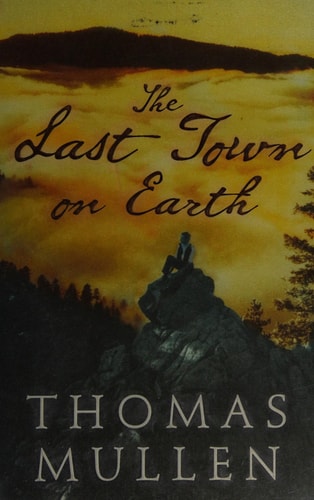
The Last Town on Earth
0
0
As an Amazon Associate and affiliate partner, Menrva Books earns from qualifying purchases. Learn more
Author Description
Set against the dual backdrop of World War I and the devastating 1918 influenza epidemic, The Last Town On Earth is a compelling tale of morality and patriotism in a time of upheaval.Deep in the evergreen woods of Washington State lies the mill town of Commonwealth, a new community founded on progressive ideals, and a refuge for workers who have fled the labour violence in the surrounding towns. When rumours spread of a mysterious illness that is killing people at an alarming rate, the people of the uninfected Commonwealth vote to block all roads into town and post armed guards to prevent any outsiders from entering.One day tow guards - Philip Worthy, the 16-year-old son of the town founder, and his friend Graham Stone, a hardened survivor of vicious strikes - are confronted with a moral dilemma. A starving and apparently ill soldier attempts to enter the town, begging them for food and shelter. Should Worthy and Stone admit him, possibly putting their families at risk? Or should they place their lives above his and let him die in the woods? The choice they make - and the reaction it inspires not only in their town but in the neighbouring town's league of suspicious patriots - sets into motion a series of events that threaten to tear Commonwealth apart.A sweeping epic, The Last Town On Earth powerfully grapples with the tensions of individual safety and social responsibility, of moral obligation and duty in the face of forces larger than oneself.
Menrva's Summary
THE PULSE
When a remote mill town in 1918 Washington State enforces a strict quarantine against the encroaching influenza pandemic, two young guards face a harrowing moral choice that threatens their community's utopian foundation. Tasked with protecting Commonwealth from the outside world, Philip Worthy and Graham Stone must decide whether to uphold their isolationist mandate or offer mercy to a desperate, potentially infected soldier. Their decision triggers a cascade of suspicion and violence, pitting the town's progressive ideals against the harsh realities of survival. The narrative unfolds through a measured, third-person perspective that emphasizes the mounting tension between individual conscience and collective security.
INSIDE THE PAGES
- Historical setting during the 1918 influenza pandemic and the final months of World War I
- Exploration of the tension between utopian ideals and pragmatic survival
- Dual-protagonist focus on the moral development of two young men
- Examination of labor unrest and class conflict in early 20th-century America
- Pacing that mirrors the slow, suffocating dread of an encroaching plague
- Atmospheric depiction of the Pacific Northwest wilderness
- Ethical inquiry into the limits of social responsibility and patriotism
- Use of a closed-community setting to heighten interpersonal conflict
THE COLLECTIVE ECHO
The novel is characterized by its somber, deliberate pacing and its focus on the ethical weight of isolationism during a global crisis. The narrative structure suggests a deep interest in how political idealism fractures under the pressure of existential fear. Readers likely find the historical parallels to the 1918 pandemic and the era's labor struggles to be central to the book's thematic resonance. The prose maintains a consistent, serious tone that prioritizes the philosophical dilemmas of the characters over rapid action sequences.
Page Count:
416
Publication Date:
2006-01-01
Publisher:
Fourth Estate
ISBN-10:
0007234996
ISBN-13:
9780007234998
Historical Fiction
Literary Fiction
War
Literature & Fiction
Contemporary
Social Issues
Community Tags
Similar Books