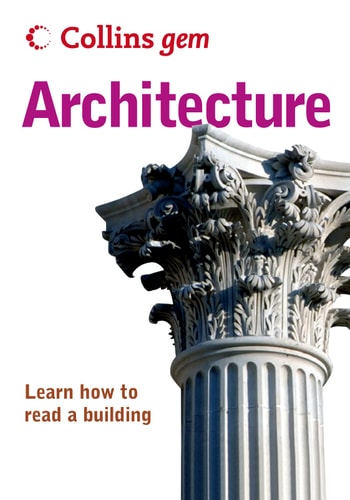
Architecture (Collins Gem)
0
0
As an Amazon Associate and affiliate partner, Menrva Books earns from qualifying purchases. Learn more
Author Description
Architecture is all around us?it is part of our lives, and its continuing development is a central theme in the history of mankind. Learning to read a building?its style, period, and architectural features?is the route to understanding a major part of cultural inheritance. This guide takes the reader through the process of learning more about buildings and architecture. Starting with the basics of analyzing the home, then moving onto looking at public buildings and larger and more well-known structures, Timothy Brittain-Catlin shows the reader how features are inherited and copied, as well as adapted with each new generation. Whether you live in a small apartment or a house, you can find traces of architectural history, learn to interpret the features you see, and put them into the wider context of your surroundings. With easy reference ID guides to important features and concepts, and chapters on Classical, Gothic, 19th Century, and post-1900 architecture, this book will help you start to uncover fascinating aspects of architectural style and history from the buildings you pass every day.
Menrva's Summary
THE THESIS
This guide investigates how to interpret the built environment by teaching readers to identify the stylistic markers, historical periods, and structural features of the buildings they encounter daily. Timothy Brittain-Catlin, an expert in architectural history, provides a structured framework for analyzing everything from domestic dwellings to monumental public structures. By examining how architectural elements are inherited, adapted, and evolved across generations, the author equips the reader with the foundational knowledge required to contextualize their own surroundings within the broader history of human construction.
THE SCOPE MAP
What You Will Find
- A systematic methodology for analyzing architectural styles and features in everyday buildings.
- Reference identification guides for key structural concepts and historical motifs.
- Chronological chapters covering Classical, Gothic, 19th-century, and post-1900 architectural movements.
- Practical exercises for applying historical context to local residential and public architecture.
THE AUTHORITY PERSPECTIVE
The text functions as a highly accessible, portable primer designed for the layperson interested in developing a foundational understanding of architectural history. Its concise format and focus on observable features suggest a practical, entry-level resource for those seeking to enhance their visual literacy regarding the built environment.
Page Count:
192
Publication Date:
2008-01-01
Publisher:
Harpercollins Pub Ltd
ISBN-10:
0007247370
ISBN-13:
9780007247370
History
Architecture
Non-Fiction
Architecture
Design
Reference
Community Tags
Similar Books