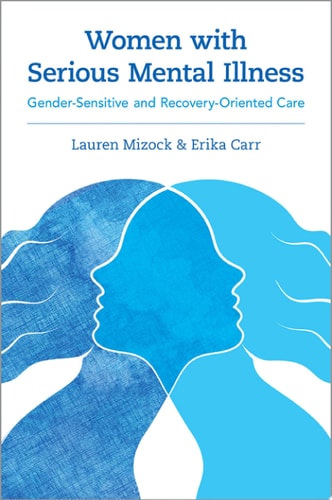
Women With Serious Mental Illness
0
0
As an Amazon Associate and affiliate partner, Menrva Books earns from qualifying purchases. Learn more
Author Description
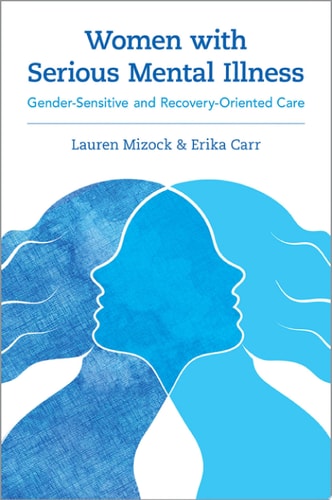
Women With Serious Mental Illness (smi) Include Those With Schizophrenia, Severe Depression, Bipolar Disorder, And/or Complex Posttraumatic Stress Disorder Whose Illnesses Significantly Impair Daily Functioning. While These Women Commonly Present In Psychotherapy And Research Samples, Their Needs Are Rarely Addressed In Academic Literature And Mental Health Training Programs. Women With Serious Mental Illness Focuses On These Women's Experiences, Including The History Of Mistreatment, Marginalization, And Oppression They Have Encountered Within Their Everyday Lives And Within The Mental Health System. With Decades Of Combined Clinical Experience, Drs. Lauren Mizock And Erika Carr Offer Evidence-based Strategies For Mental Health Professionals Working With This Overlooked Population. Built On A Framework Of Feminist Theory, Concepts On The Intersectionality Of Oppression, And A More Holistic View Of Recovery, The Book Examines The Impact Of Racism, Sexual Objectification, Trauma, Relationships, Work, And Class On The Development And Presentation Of Symptoms Of Mental Illness In These Women. These Discussions Are Then Synthesized Into An Effective Treatment Intervention, Gender-sensitive And Recovery-oriented Care (g-roc), Which Values An Equal Therapeutic Relationship And Validates The Client As An Expert On Their Own Mental Health. Chapters Include Worksheets, Discussion Questions, And Case Narratives For Easy Practical Application In Research Or Training Programs. Women With Serious Mental Illness Underscores The Need For Improved Care For Women, Men, And Gender Nonbinary People With Serious Mental Illness. Using These Tools, Clients Can Begin The Process Of Seeking Hope, Empowerment, And Self-determination Beyond The Effects Of Mental Illness.
Menrva's Summary
THE THESIS
This book investigates how the intersection of gender, trauma, and systemic oppression impacts the mental health and recovery of women diagnosed with serious mental illness. Drs. Erika Carr and Lauren Mizock leverage decades of clinical experience to challenge traditional psychiatric models that often overlook the specific social and historical contexts of female patients. By integrating feminist theory and intersectionality, the authors propose a shift toward a more holistic, recovery-oriented framework that prioritizes the client's agency and lived experience.
THE SCOPE MAP
What You Will Find
- The Gender-sensitive and Recovery-oriented Care (G-ROC) intervention model
- Analysis of how racism, sexual objectification, and class influence symptom presentation
- Practical clinical tools including worksheets, discussion questions, and case narratives
Scope Limits
- The text focuses primarily on the experiences of women, though it acknowledges implications for men and gender nonbinary individuals
- It does not provide an exhaustive pharmacological guide, focusing instead on therapeutic and systemic interventions
THE AUTHORITY PERSPECTIVE
Professionals in the field identify this work as a necessary resource for addressing the systemic gaps in mental health training regarding gender-specific care. Clinicians frequently cite the G-ROC model as a practical, actionable framework for fostering more equitable and effective therapeutic relationships.
Page Count:
256
Publication Date:
2020-01-01
Publisher:
Oxford University Press
ISBN-10:
0190922362
ISBN-13:
9780190922368
Psychology
Social Work
Sociology
Mental Health
Feminist Theory
Community Tags
Similar Books