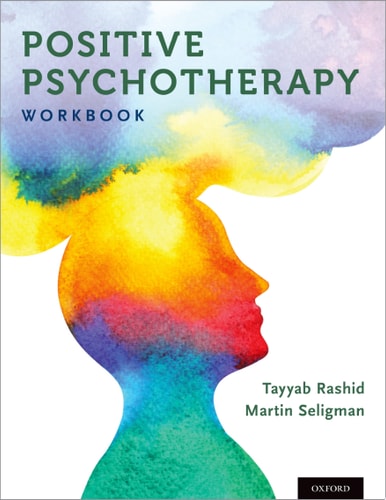
Positive Psychotherapy: Workbook
0
0
As an Amazon Associate and affiliate partner, Menrva Books earns from qualifying purchases. Learn more
Author Description
For over a century the focus of psychotherapy has been on what ails us, with the therapeutic process resting upon the assumption that unearthing past traumas, correcting faulty thinking, and restoring dysfunctional relationships is curative. But something important has been overlooked: the positives. Shouldn't making us happier, better people be explicit goals of therapy?Positive Psychotherapy: Workbook guides readers through a session-by-session therapeutic approach based on the principles of positive psychology, an exciting new area of study examining the factors that enable us to flourish. This workbook, designed to be used in conjunction with the accompanying clinician's manual, first explains what exactly positive psychotherapy is, exploring the important concepts of character strengths. What follows are 15 positive psychotherapy sessions, each complete with lessons, guidelines, skills, and worksheets for practicing positive psychology skills learned in session. Those interested in improving well-being through psychotherapy will find in Positive Psychotherapy a refreshing complement to other approaches, endowing readers with a sense of purpose and meaning that many have found lacking in more traditional therapies.
Menrva's Summary
THE THESIS
This workbook investigates how the integration of positive psychology principles into clinical practice can shift the therapeutic focus from symptom reduction to the active cultivation of well-being and character strengths. Martin P. Seligman, a foundational figure in the field of positive psychology, and Tayyab Rashid provide a structured framework for practitioners and clients. The text argues that traditional therapy often neglects the development of human flourishing, proposing instead a session-by-session methodology that builds resilience and meaning through evidence-based exercises.
THE SCOPE MAP
What You Will Find
- A 15-session therapeutic curriculum focused on positive psychology interventions.
- Practical worksheets and skill-building exercises for clients.
- Theoretical explanations of character strengths and their application in daily life.
Scope Limits
- The workbook is designed to be used in conjunction with a clinician's manual rather than as a standalone diagnostic tool.
- It does not replace traditional clinical interventions for severe psychiatric disorders.
THE AUTHORITY PERSPECTIVE
Experts and clinicians frequently cite this workbook as a primary resource for implementing positive psychology in a clinical setting. Readers note the clarity of the exercises and the practical utility of the structured session format for both therapists and their clients.
Page Count:
208
Publication Date:
2019-01-14
Publisher:
Oxford University Press
ISBN-10:
0190920246
ISBN-13:
9780190920241
Psychology
Mental Health
Psychotherapist and patient
Psychotherapy
Therapy
Self Help
Positive Psychology
Community Tags
Similar Books