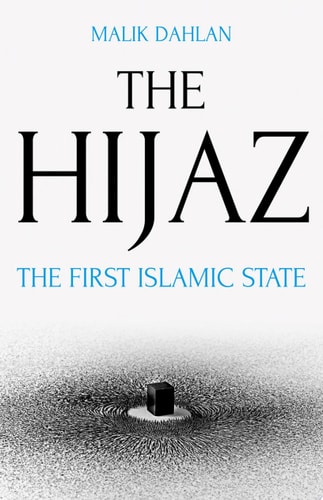
The Hijaz: The First Islamic State
0
0
As an Amazon Associate and affiliate partner, Menrva Books earns from qualifying purchases. Learn more
Author Description
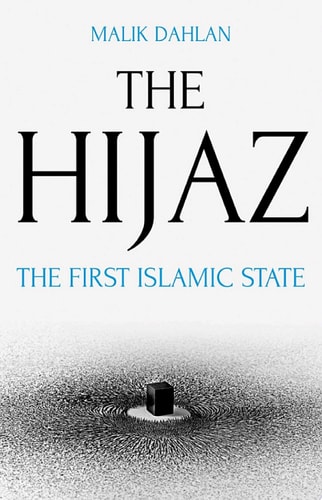
Dahlan offers an alternative vision of Islamic governance through the history and promise of the Hijaz, the first state of Islam. The Hijaz, in the west of present-day Saudi Arabia, was the first Islamic state in Mecca and Medina. This new interpretative history offers a fresh vision of Islamic governance and law as a positive force for political reform in the Middle East and beyond. Applying key Islamic principles of public good to contemporary life, Malik Dahlan challenges two dominant narratives. He reclaims the development of Islamic statecraft as the wellspring of collective identity and statesmanship in the Arab world, simultaneously influenced and disrupted by Westphalian statehood models and Enlightenment notions of self-determination. He equally rejects the appropriation of Islamic governance and the Caliphate concept by both the post-modern, non-territorial Al-Qaeda and the neo-medievalist ISIS. Celebrating the history and untapped potential of a region where Arab leaders built the ideological foundations of an emerging polity, The Hijaz is a compelling alternative analysis of governance in the Arabian Peninsula and the global Islamic community, and of its interaction with the wider world.
Menrva's Summary
THE THESIS
This work investigates whether the historical model of the Hijaz can serve as a viable framework for modern Islamic governance and political reform. Malik Dahlan, an expert in international law and public policy, utilizes historical analysis and legal theory to re-examine the origins of the first Islamic state in Mecca and Medina. He argues that the principles of public good established in this region offer a constructive alternative to both Western-imposed statehood models and the extremist interpretations propagated by contemporary militant groups.
THE SCOPE MAP
What You Will Find
- Historical analysis of the Hijaz as the foundational polity of early Islam
- Comparative study of Westphalian statehood versus Islamic governance principles
- Theoretical framework for applying Islamic public good to contemporary political reform
Scope Limits
- Does not provide a comprehensive military or social history of the entire Arabian Peninsula
- Does not offer a step-by-step policy manual for current government implementation
THE AUTHORITY PERSPECTIVE
Scholars and political analysts frequently note the text's unique synthesis of historical theology and modern international relations theory. Experts highlight this as a significant contribution to the discourse on Islamic statecraft, particularly for its rejection of both neo-medievalist and secular-reductionist narratives.
Page Count:
568
Publication Date:
2018-01-01
Publisher:
Oxford University Press
ISBN-10:
0190935014
ISBN-13:
9780190935016
Religion
History
Religion and Politics
Governance
Middle Eastern
Islamic Studies
Caliphate
Community Tags
Similar Books